
Kayak fishing Tampa Bay
Public launches, the safety gear Florida requires, and how wind, tide and boat traffic shape a day of paddling and fishing on the bay.
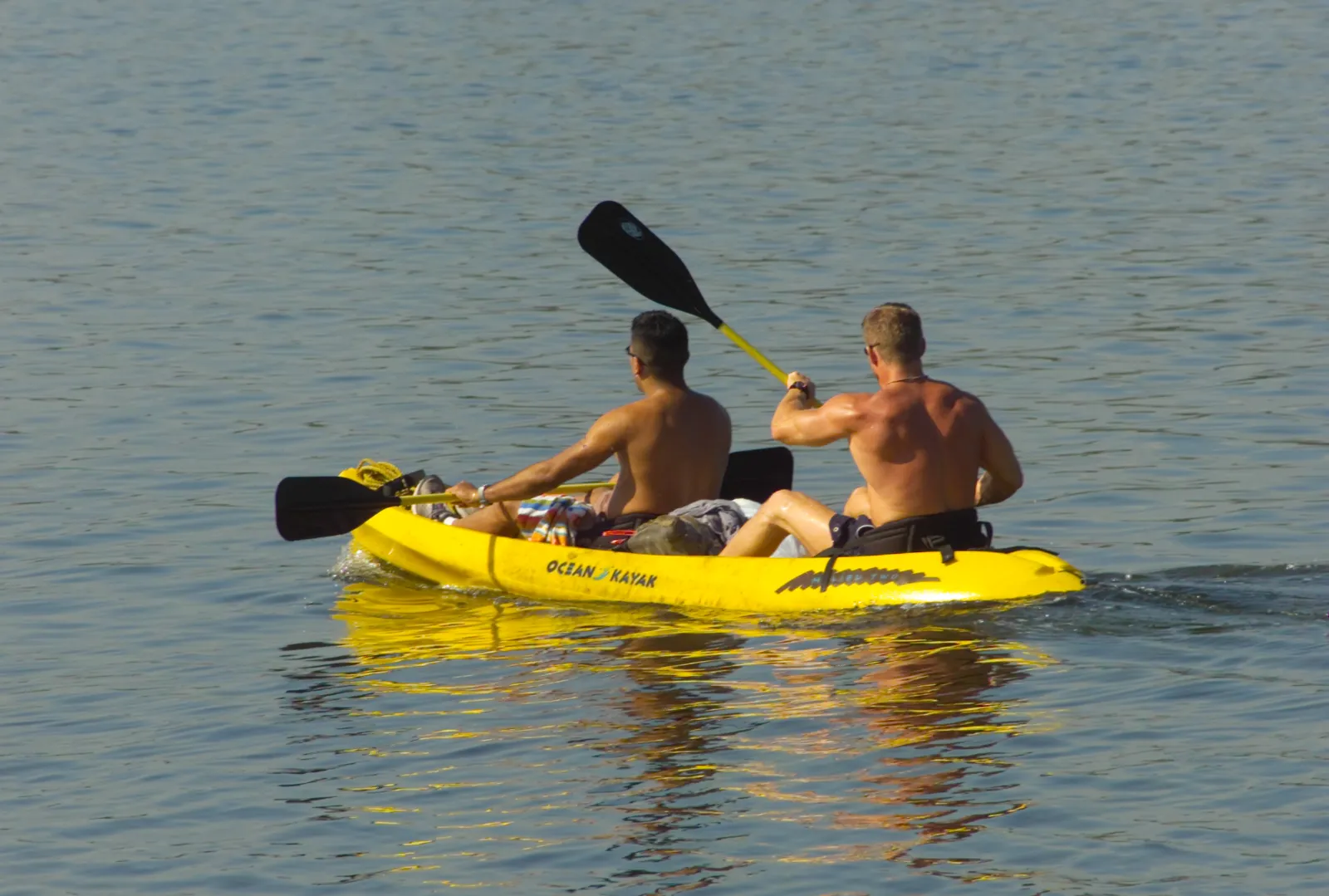
Why a kayak works on Tampa Bay
A kayak gets you into water most boats cannot reach. Mangrove creeks, grass flats and oyster bars sit in a foot or two of water all over the bay. You can drift quietly, stop where you want and launch from a park instead of a ramp.
It also puts you low and slow in a place full of wind, current and boat wakes. That is why the planning matters more than the tackle.
Public launches around the bay
These are public sites with paddling access. Hours, fees and facilities change, so check each managing agency's page before you drive.
Pinellas County
- Weedon Island Preserve: The Weedon Island launch sits next to the fishing pier at the end of Weedon Drive NE in St. Petersburg. The South Paddling Trail is a 4-mile loop through mangroves and seagrass, best paddled at mid to high tide. Pinellas County says the pier and oyster bars are good for seatrout, snook and sheepshead.
- Fort De Soto Park: A canoe and kayak launch and a 2.25-mile canoe trail at the mouth of the bay. See our Fort De Soto guide.
- Fred Howard and Boca Ciega Millennium Park: FWC's county parks directory lists canoe and kayak launches at Fred Howard Park in Tarpon Springs and Boca Ciega Millennium Park in Seminole.
Hillsborough County
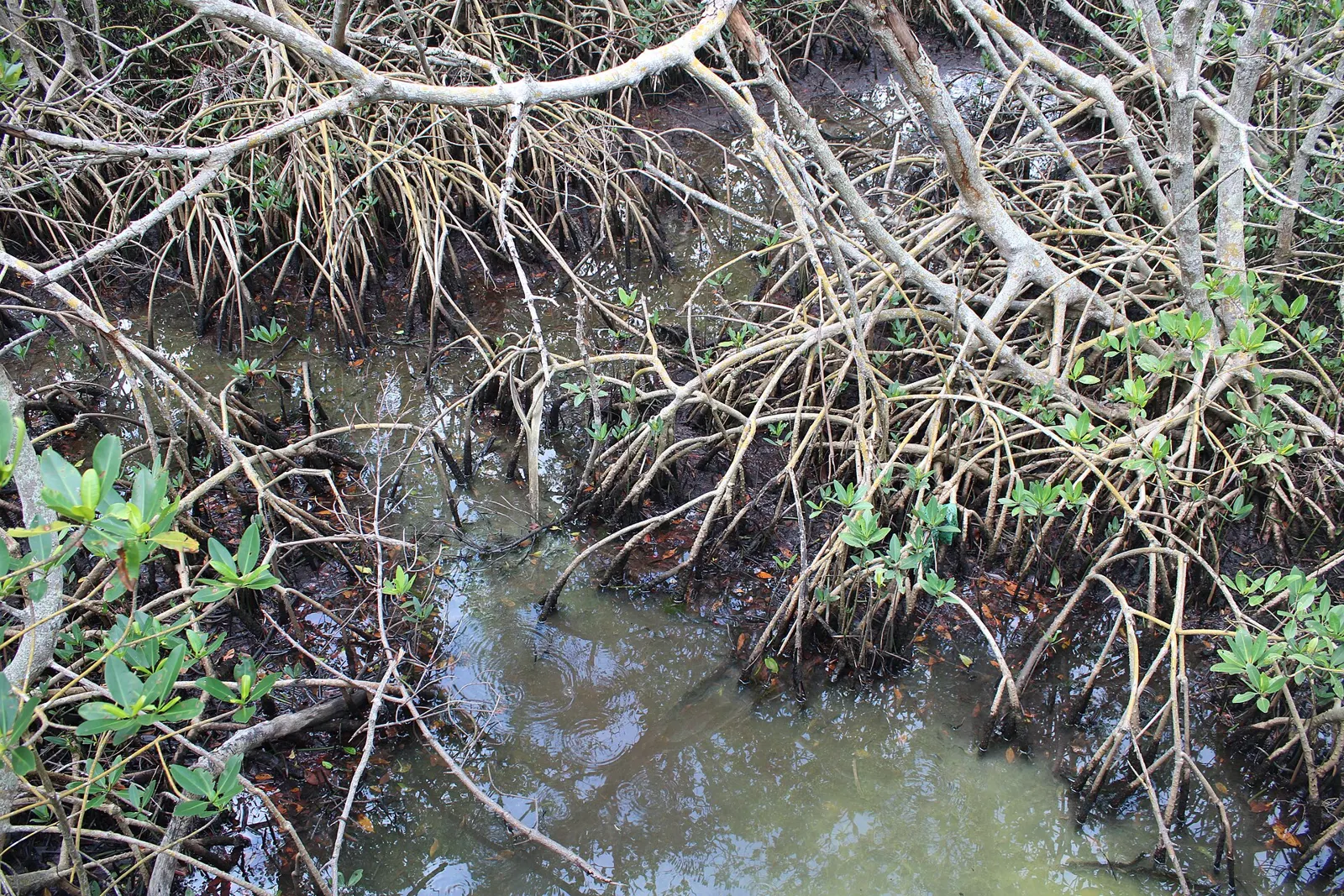
- Cockroach Bay Preserve State Park: Florida State Parks describes mangrove islands at the mouth of the Little Manatee River, reachable only by water, with two paddling trails and no facilities on the islands. Pack in, pack out.
- E.G. Simmons Conservation Park: Hillsborough County lists kayak rentals, waterfront fishing and a mangrove bird sanctuary in Ruskin.
- Upper Tampa Bay Conservation Park: Hillsborough County lists a canoe and kayak launch into a tidal creek and the bay, and names redfish and snook among its game fish.
What Florida requires on a kayak
Kayaks count as boats. FWC's paddlecraft rules page says canoes, kayaks and paddleboards used outside swimming and surfing areas are vessels under Coast Guard rules. Here is what that means in practice.
- Life jacket: One Coast Guard approved wearable life jacket for each person. FWC says children under 6 must wear one and strongly advises everyone else to wear one.
- Sound device: A whistle, horn or bell audible for at least half a nautical mile.
- White light: A lantern or flashlight showing white light between sunset and sunrise or in poor visibility.
- Distress signals: FWC explains when night visual distress signals apply on coastal waters and which small boats are exempt. Read the page if you fish before dawn or after dark.
- Registration: FWC's boating regulations say non-motorized vessels under 16 feet do not need state registration.
Wear it, don't stow it. A life jacket bungeed behind the seat is hard to reach after you flip. Fishing-cut vests are made to be worn all day.
Wind, tide and current
Wind decides most kayak days on the bay. A light morning can turn into a long, wet paddle home when the afternoon breeze fills in. Plan the trip so the hard paddle comes first and the easy ride comes last.
Check the marine forecast
The National Weather Service writes a Tampa Bay waters forecast with wind, waves and chop, updated through the day. The marine zone map shows the other zones if you head toward the Gulf. If a Small Craft Advisory is up, a kayak has no business out there.
Check the tide
Tides decide where you can go. Weedon Island recommends its trail at mid to high tide because the route gets too shallow at low water. FWC's paddling trail advice says tides and currents change how hard a trail is and suggests planning on about two miles per hour of paddling.
Boat traffic and wildlife
Stay out of marked channels when you can, cross them quickly and at a right angle, and assume a fast boat cannot see you. Bright colors, a flag or a light help.
The bay has many manatee zones and seagrass beds. The Tampa Bay boaters and anglers guide maps them, and FWC posts Pinellas manatee zone maps. A kayak will not scar grass like a prop, but anchors and stake-out poles can. Set them in sand.
Sun, heat and the float plan
A kayak gives you zero shade and plenty of glare off the water. Weedon Island's launch page suggests packing a hat, sunscreen, insect repellent, water and snacks, a phone, closed-toe water shoes and a float plan left with someone on shore.
The float plan is the item people skip. FWC recommends one too. Tell someone where you launched, your route and when you will be back, then call when you are off the water. Our packing guide has the full list, and our long day in the Florida sun guide covers heat and sunscreen.
Storms. Paddlers are slow and exposed. If you hear thunder, head for shore. Read our summer storms guide before summer trips.
Licenses and regulations
Regulations change. Check FWC’s license guidance and current fishing rules before you fish.
What to wear
Long sleeves, sun hoods and Florida art, printed to order in UPF 50+.
Shop sun gearFAQ
These answers cover the choices and advice discussed above.