
How to Plan a Family Fishing Day in Tampa Bay
Tampa Bay fishing spots with restrooms, what to pack, Florida license rules for kids, and how to keep a short day fun.
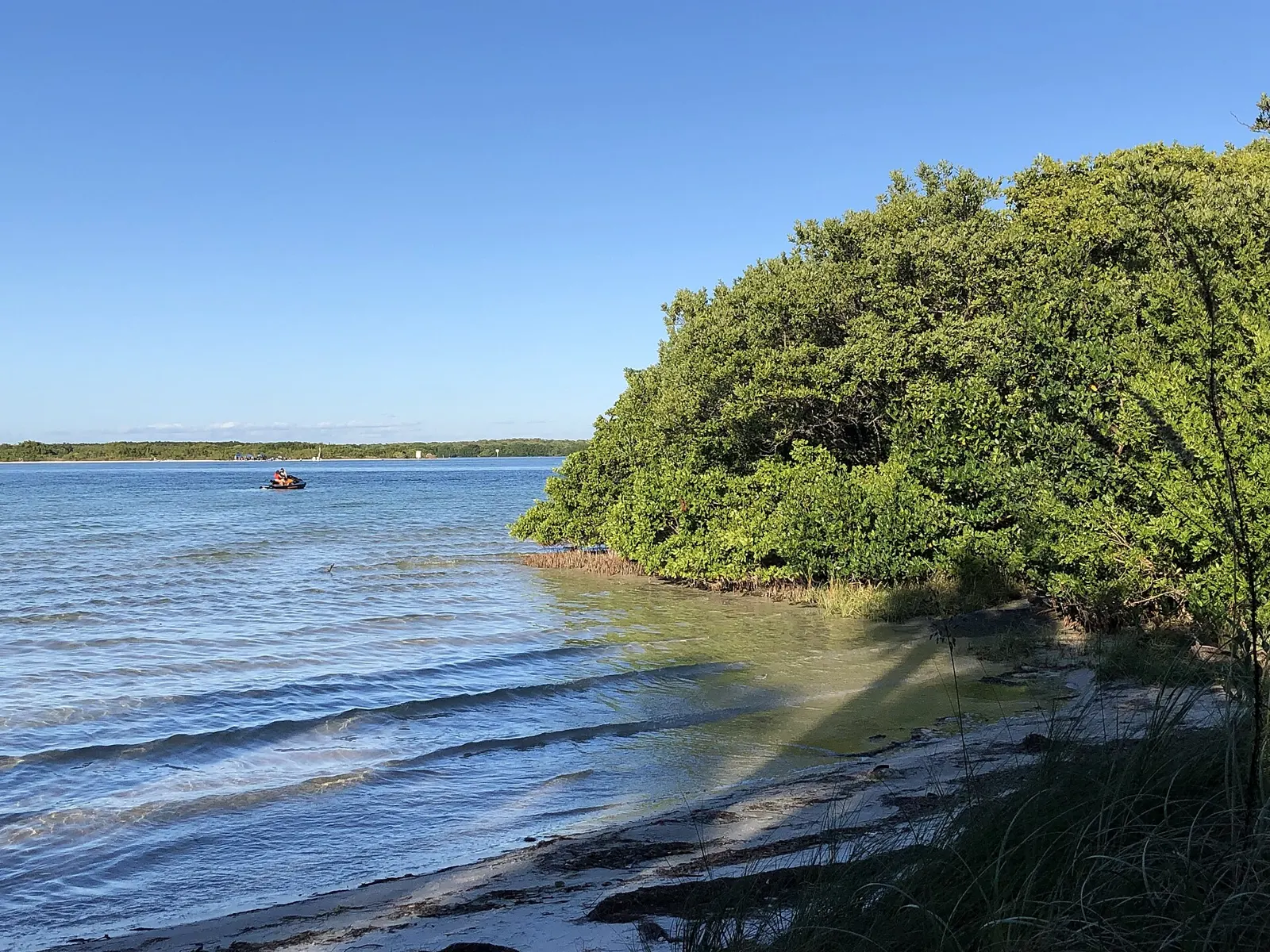
Pick a spot with restrooms
| Spot | What's there | Source |
|---|---|---|
| Riverview Civic Center, 11020 Park Dr, Riverview | Fishing pier, restrooms, playground; sunrise to sunset | Hillsborough County |
| Williams Park, 9425 US Hwy 41, Riverview | Shore fishing, restrooms, playground, picnic shelters; sunrise to sunset; no swimming or wading | Hillsborough County |
| Alafia River State Park, 14326 S. County Road 39, Lithia | Fishing on the South Prong and park lakes, restrooms, playground; 8 a.m. to sunset; check the park page for admission details | Florida State Parks |
| Fort De Soto Park, Tierra Verde | Two fishing piers, 7 a.m. to sunset; license required throughout the park | Pinellas County |
A short trip
Little kids lose interest fast. Plan an hour or two and quit while it's still fun. Check the tide before you go: NOAA predictions for the Alafia. Our Alafia guide and piers guide have more on each spot.
Gear for small hands
A short rod, a simple bobber rig, and bait are enough. Bring pliers for hooks and a towel.
Picking the right spot for your crew
The listed spots offer different access, so choose the one that fits the outing you have planned.
A pier or shore outing on the Alafia
Hillsborough County lists a fishing pier, restrooms and a playground at Riverview Civic Center. Williams Park has shore fishing, picnic shelters and the same restroom and playground options. Both list sunrise-to-sunset hours. Choose between them based on how your crew wants to fish, not because either listing promises a bite.
Williams Park's county listing prohibits swimming or wading. Make that part of the plan before the kids reach the water. A fishing trip there is not a swimming trip. If the crew wants a break, use the listed playground or picnic facilities instead. The Alafia River guide has the addresses and fuller access notes.
Freshwater at the State Park
Florida State Parks' experiences page lists restrooms in the picnic area, a playground and pavilions. It lists fishing in the South Prong and park lakes. Those facilities can help you plan a fishing stop followed by a break, rather than asking a child to stay at the water for the whole visit.
The park warns about alligators near the water. Treat that warning as part of choosing where the crew will stand. As a general precaution, keep children close around water and do not turn the bank into a place to wander while an adult is busy with tackle. The park's 8 a.m. opening is also different from the county sites' sunrise hours.
A pier day farther from the river
Pinellas County lists two fishing piers at Fort De Soto and requires a fishing license throughout the park. Before committing to that outing, check the county's current access information. Our piers and bridges guide keeps the dated status table and the agency links together.
For the Skyway, FWC's Skyway page says children under 16 do not need the education course when accompanied by an adult who has the certificate. That does not remove the adult's course requirement. Check the site's current tackle rules as well. Pick the destination before packing the rigs.
Timing the trip
A short trip is the plan here. Start with the hour or two suggested above, and leave room to stop sooner. You do not need to keep a child fishing until the tide changes. Check NOAA's Alafia prediction if you choose a tidal spot, then fit the outing around the crew's attention and a weather exit.
The FDA's sun-protection guidance identifies 10 a.m. to 2 p.m. as peak sun hours. Use that information when choosing the start and finish. A shorter visit outside that stretch can fit the plan better than arriving with no finish time. Sunscreen and covered skin still matter.
The National Weather Service's safe-boating guidance says to check the marine forecast and NOAA Weather Radio and head in when storms build. In summer, plan to avoid being stuck on the water when afternoon storms develop. Do not wait for the planned fishing time to end if the weather is changing.
Before the first cast, decide who is watching the children while someone handles a hook or fish. Keep the exit simple. A family trip can end with a playground stop or a snack rather than another cast. Those are planning suggestions, not a claim that every child wants the same outing.
Simple rigs kids can handle
A bobber and live shrimp is a general starting approach, not a guarantee. FWC's spotted seatrout profile says a float lets bait drift over grass. It also suggests free-lining live shrimp near the bottom to draw trout from grass-bed holes. Choose one method rather than changing rigs every few casts.
FWC's red drum profile recommends live shrimp under a popping cork. Those are species-specific tips from FWC. They do not say that every family spot in the table has trout or redfish ready to take that bait. If you choose freshwater at the State Park, do not treat a saltwater bait tip as a park catch report.
As a practical teaching approach, let an adult handle baiting and unhooking until the child can do it safely. Give the child one clear job, such as watching the float. Keep unused hooks secured and pause casting when someone walks behind the rod. A simple setup is easier to keep track of than several loose rigs at the bank.
For circle hooks with natural bait, FWC's fish-handling guidance says not to set the hook. Just reel. Explain that action before a bite so the child is not learning it while everyone is shouting instructions. FWC says circle hooks are about 90 percent more likely to hook in the mouth.
Safety around water and hooks
As a general precaution, decide who is watching the children before anyone handles tackle.
Keep the adult jobs clear
As a general precaution, use life jackets on boats and around water. Decide who is supervising the children before another adult starts baiting a hook. Keep hooks and cutting tools out of small hands until an adult is ready to help. Put a rig away before moving to the playground or picnic area.
As general precautions, watch for catfish and stingray spines and do not ask children to handle an unfamiliar fish. FWC's handling guidance says not to cut a stingray's barb. For wading, it advises the stingray shuffle. That advice does not override a site's no-wading rule. Williams Park remains a no-swimming, no-wading location under the county listing.
Thunder ends the fishing
The National Weather Service's lightning guidance says, “When thunder roars, go indoors.” Wait 30 minutes after the last thunder before returning outside. Explain the stopping point before the trip so leaving is part of the plan, not a debate at the rail.
For heat, use water and shade breaks as general precautions. Keep the trip short enough that a break is easy to take. Do not leave the water or sunscreen packed away until a child asks for it. At Alafia River State Park, keep the park's alligator warning in mind around both the river and lakes.
Packing list
- Water and snacks for the planned short visit. Keep them accessible for a break away from the hooks.
- Hats, a long-sleeve sun layer and sunscreen. Read the sunscreen label and plan the next application before fishing starts.
- A short rod and the one rig you intend to teach. Pack bait separately from food.
- Pliers, leader-cutting gear and a towel. Have an adult keep the hook-handling tools.
- A knotless rubber net if you will net fish, following FWC's handling guidance. Decide on the release method before a hookup.
- Life jackets for the water plan, as a general precaution. Check the destination's access and the forecast before leaving.
Lay out the tackle before the trip and remove what you do not need. This is a packing suggestion, not a requirement to buy a full set of gear. The goal is to have the release tools ready and keep loose hooks away from the food and children's things.
Sun plan
The FDA recommends broad-spectrum sunscreen with SPF 15 or higher. It says about 1 ounce is needed for full-body coverage. Apply it 15 minutes before going outside. Reapply at least every two hours and after swimming or sweating. Follow the product's label rather than guessing from how much sun you think you have had.
For children under 6 months, the FDA says to ask a doctor. Do not treat an adult sunscreen routine as advice for an infant. Plan the sun layer and the exposed-skin protection separately. A shirt covers only the skin beneath it, so it does not remove the need for sunscreen elsewhere.
Hats, a long-sleeve sun layer, sunscreen on whatever skin is showing, water and shade breaks. A shirt doesn't replace sunscreen.
Releasing a fish
Make release part of the lesson before anyone catches a fish. FWC says to wet your hands, handle fish as little as possible and support them horizontally. Never hold a fish by the jaw, gills or eyes. Let the adult do the handling while the child watches the steps.
FWC recommends a knotless rubber net and non-stainless hooks. If a fish is gut-hooked, cut the leader close and leave the hook. Release head first. If it needs reviving, hold it head first into the current rather than moving it back and forth. From a kayak, FWC describes moving in a figure 8.
On a pier, FWC says to lift only fish you plan to keep and to use a pier net or sling. Otherwise, cut the line close or walk the fish to shore. Explain that a fish does not need to come onto the deck for the child to have caught it. The release plan matters more than holding it for a picture.
FWC's release tips: leave the fish in the water while you remove the hook. Wet your hands if you have to touch it. Hold it gently in the current until it swims off.
Licenses and regulations
FWC says youth under 16 don't need a fishing license. They must follow all other rules, including current gear and harvest rules. They may be asked for proof of age. Adults who are fishing need a license unless exempt. Anyone on a boat who isn't fishing doesn't need one. They can't help with netting fish or taking them off the hook.
FWC. Regulations change. Check FWC's current rules before you fish.
FWC’s current fishing rules. Regulations change.
What to wear
Our But First We Fish and Alafia Originals designs come in adult, youth and toddler sizes.
Each cut has its own size chart; see Fishing Shirt Size and Fit Guide.
FAQ
These answers cover the choices and advice discussed above.