
Catch and release done right
How to land, handle and release snook and redfish so they swim away strong, based on FWC research and Bonefish and Tarpon Trust guidance.
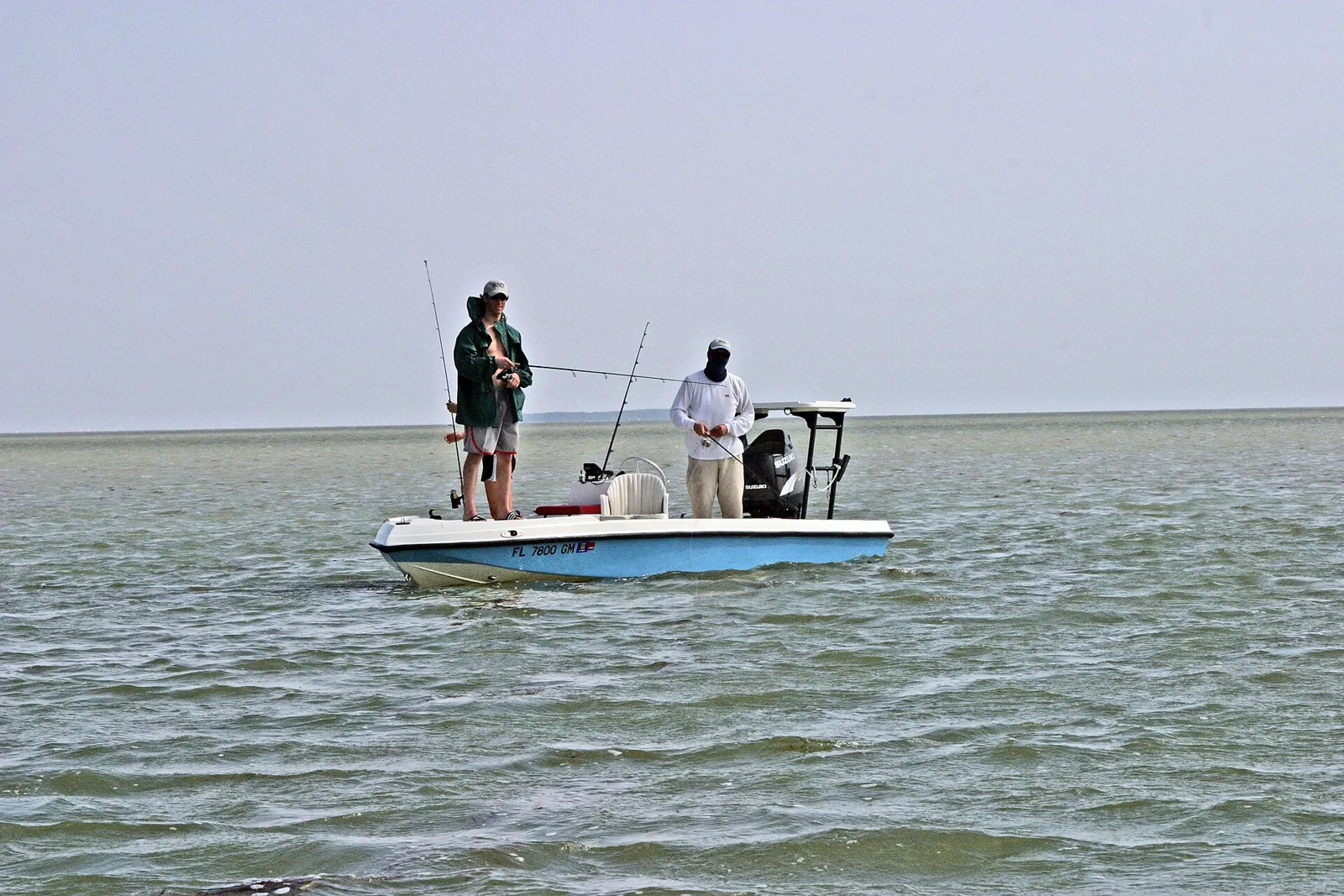
A careful release
Most snook and a lot of redfish caught around Tampa Bay go back in the water. That only helps if they live. FWC has studied how to reduce catch and release deaths in snook because so many are released in Florida's recreational fishery.
The good news is that most of the difference comes from a few simple habits. None of them cost much. Most of them come down to time.
Tackle setup
Release starts with the gear you tie on. Set it up so the fight is short and the hook comes out easy.
- Tackle heavy enough: FWC's fish handling page says to match tackle so you can land fish quickly and avoid exhausting them.
- Circle hooks: NOAA Fisheries says circle hooks, barbless hooks or crimped barbs improve survival and make hooks easier to remove.
- Tools in reach: A dehooker, pliers and line cutters on your belt or console, not in a bag under the seat.
- The right net: FWC recommends knotless, rubber-coated landing nets, which are easier on the slime and fins.
Reef fish are different. FWC's reef fish gear rules require circle hooks with natural bait, a dehooking device and a descending device or venting tool for species like grouper and snapper. Snook and redfish are not reef fish, so check FWC's species pages for their gear rules.
Landing and handling
Bonefish and Tarpon Trust and FWC give almost the same advice. Here is how it adds up.
Hands and grip
- Wet hands only: FWC says dry hands strip off more of the protective slime.
- Support the body: BTT says to hold the fish under the head and belly, never one-handed. FWC's redfish best practices say not to hold fish vertically or by the jaw.
- Fingers off the gills: FWC says never hold a fish by the jaw, gills or eyes.
- Skip the lip gripper: BTT says mechanical lip grippers can injure the jaws of active fish.
Air time
Time out of water is the big one. BTT's research on bonefish found that air exposure beyond about 15 seconds raised post-release deaths roughly sixfold. Snook and redfish are different fish, but the lesson carries. Have the camera ready before you lift, take a quick shot and get the fish back in.
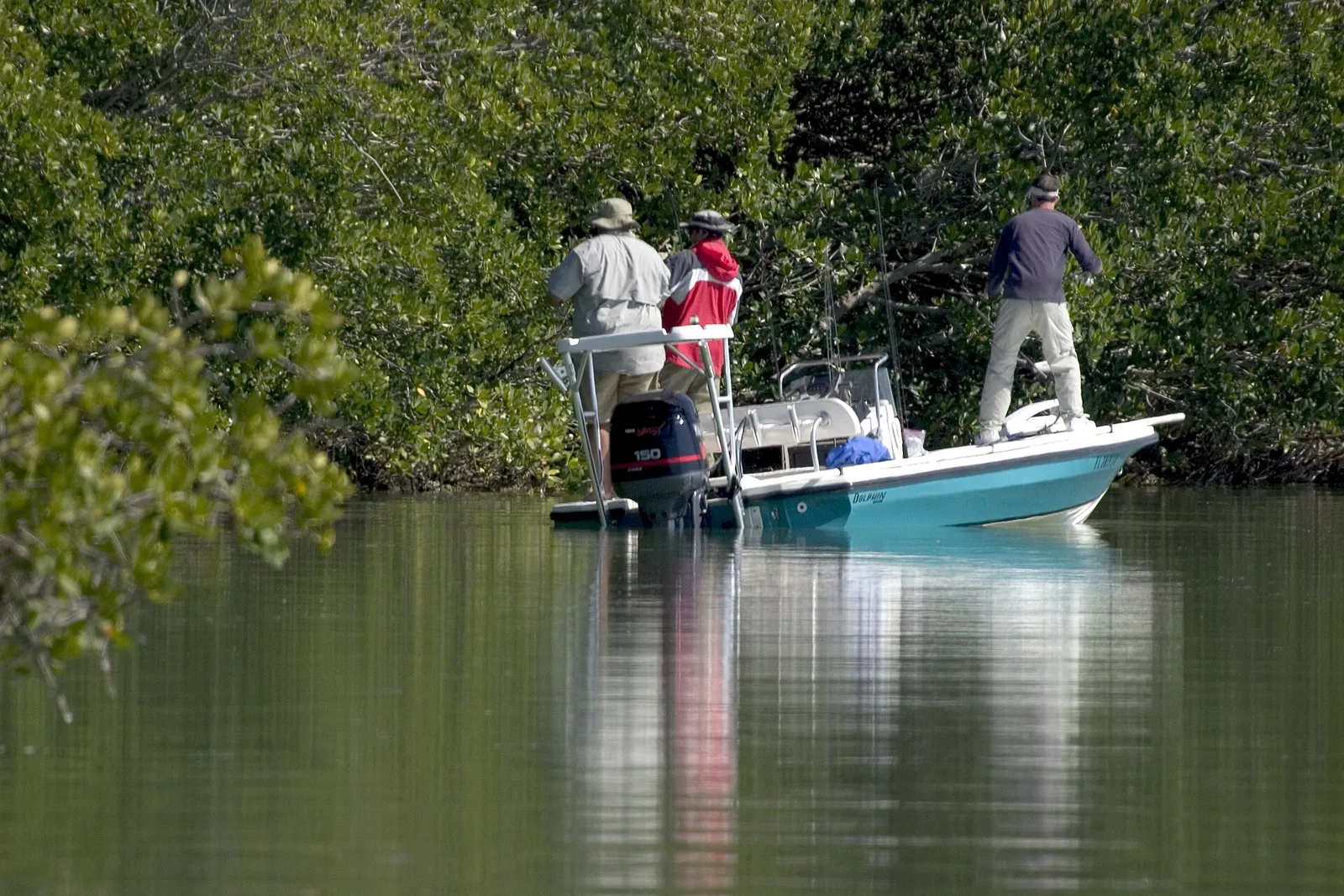
Getting the hook out
A dehooker lets you release many fish without touching them at all. BTT says many guides prefer that. If the hook is deep in the throat or gut, BTT and FWC both say to cut the line as close as you can rather than digging for it.
Reviving and release
A tired fish needs water moving over its gills. FWC's redfish best practices say to revive by moving the fish forward, not back and forth. Hold it gently upright in the water, facing into any current, and let it swim off on its own.
Watch for sharks and dolphins. A tired fish released next to a waiting predator rarely makes it. If something is following your fish, move before you release it.
Hot water and cold snaps
Warm summer water holds less oxygen, so fights should be shorter and releases faster. Florida Sea Grant suggests fishing shallower, cooler water, limiting fight time and using non-stainless circle hooks.
Snook in the cold
Snook are tropical fish. FWC's temperature page explains that long cold snaps can kill snook, and FWC's snook tag program notice asks anglers not to handle or remove snook stressed by cold and to report dead or dying fish. FWC documented a major cold kill in 2010 that reached Tampa Bay. On cold days, let them be.
Rules and your gear
Snook and redfish rules can differ by region and change often. Read FWC's current pages before you keep a fish. When the day is about releases, dress for long hours in the sun. A sun shirt or hoodie and polarized glasses help you see fish and keep your skin covered while you work the flats.
Licenses and regulations
Regulations change. Check FWC’s license guidance and current fishing rules before you fish.
What to wear
Long sleeves, sun hoods and Florida art, printed to order in UPF 50+.
Shop sun gearFAQ
These answers cover the choices and advice discussed above.