
Fishing around manatees, sea turtles and birds
Slow speed zones, what to do if you hook a manatee, sea turtle or pelican, why you should never feed dolphins, and how to get rid of old line.
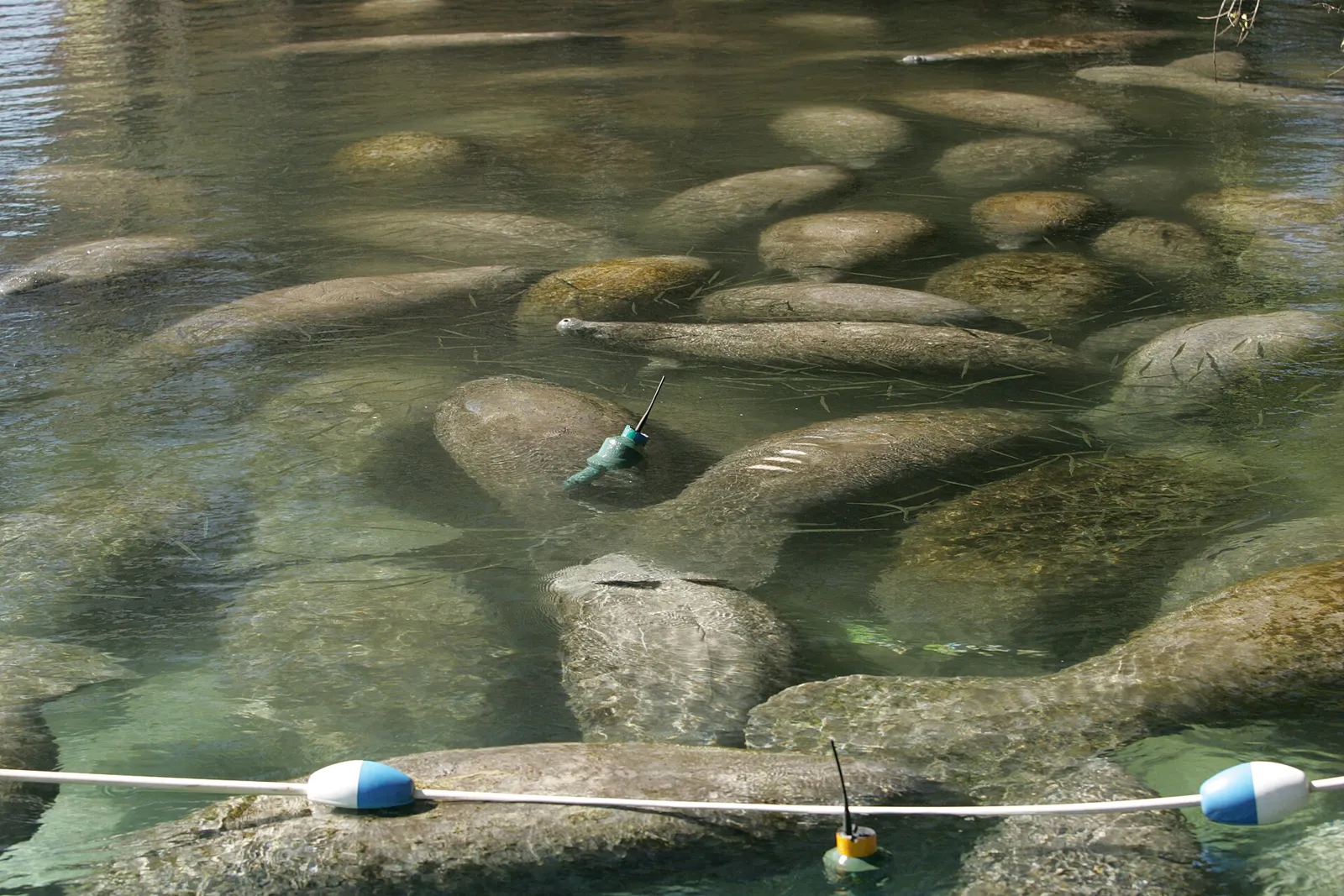
Wildlife nearby
Fish around Tampa Bay long enough and you will share a spot with a manatee, a sea turtle, a pod of dolphins and a pelican that wants your bait. That's part of what makes it good water. It also means we all need to know a few rules and what to do when something goes wrong.
Manatees and boat speed
FWC sets manatee protection zones that limit boat speed and access where manatees gather. Zone types include idle speed, slow speed, motorboats prohibited and no entry. Posted signs are the rule.
FWC's boater page says about 25 to 30% of manatee deaths statewide come from watercraft, and that a strike at 30 mph has four times the force of one at 15 mph. FWC also says personal watercraft follow the same zones as boats.
- Read the signs: Obey posted zone signs. They can change with the season.
- Wear polarized glasses: FWC's manatee guidelines say they help you spot manatees under the surface.
- Slow down and use channels: FWC advises staying in marked channels and slowing down in shallow water.
If you hook a manatee or sea turtle
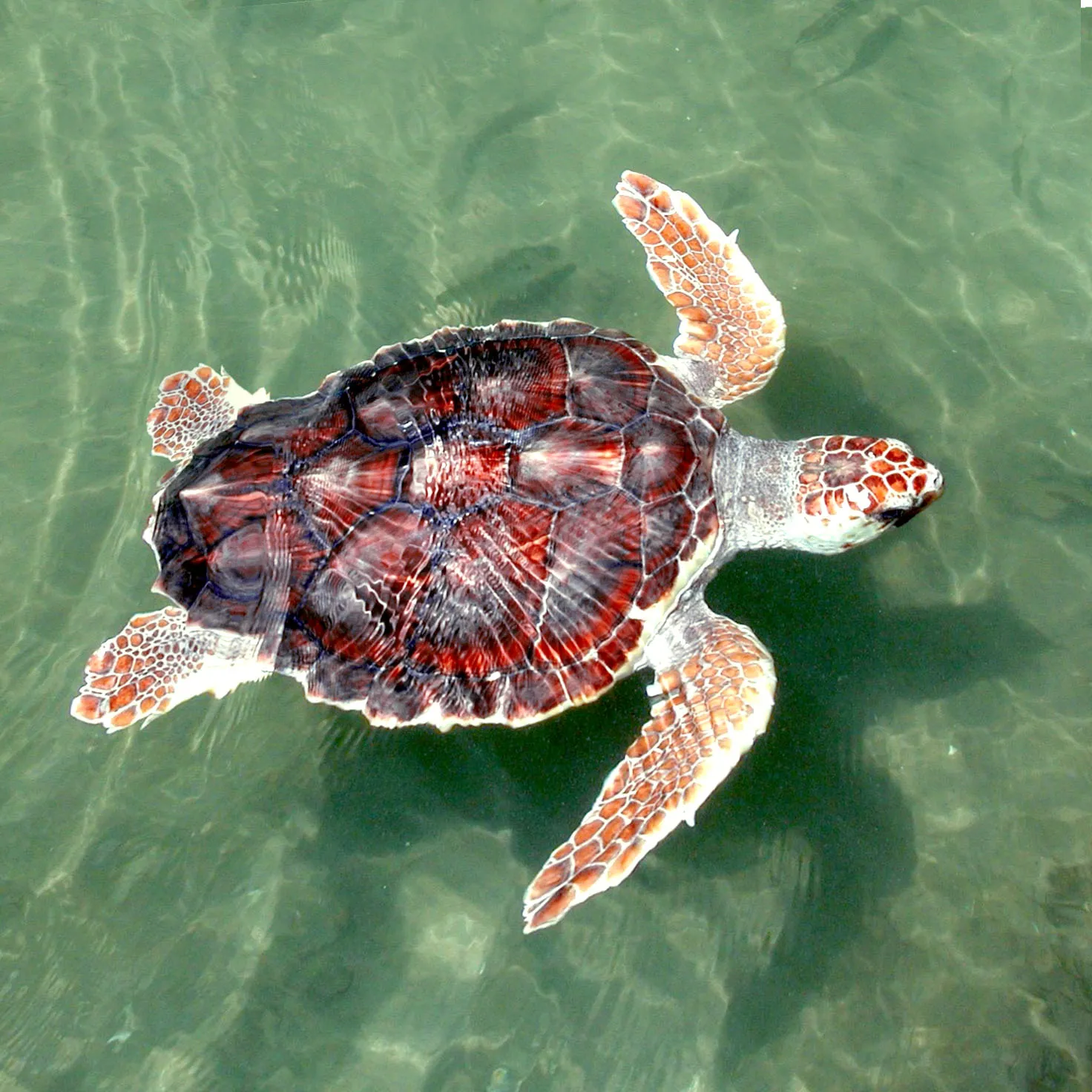
It happens, especially around piers. Don't yank, and don't just cut the line and walk away. Call for help.
- Call FWC: FWC's 24-hour Wildlife Alert Hotline takes reports of sick, injured, hooked or tangled manatees and sea turtles. The number is on both FWC pages. Save it in your phone now.
- Have the details: FWC asks for the exact location, whether the animal is alive, its size and the nearest boat ramp or access point.
- Stay with it: If the animal is alive, FWC asks you to stay with it until help arrives if you can, and take photos or video.
Hooked birds: reel, remove, release
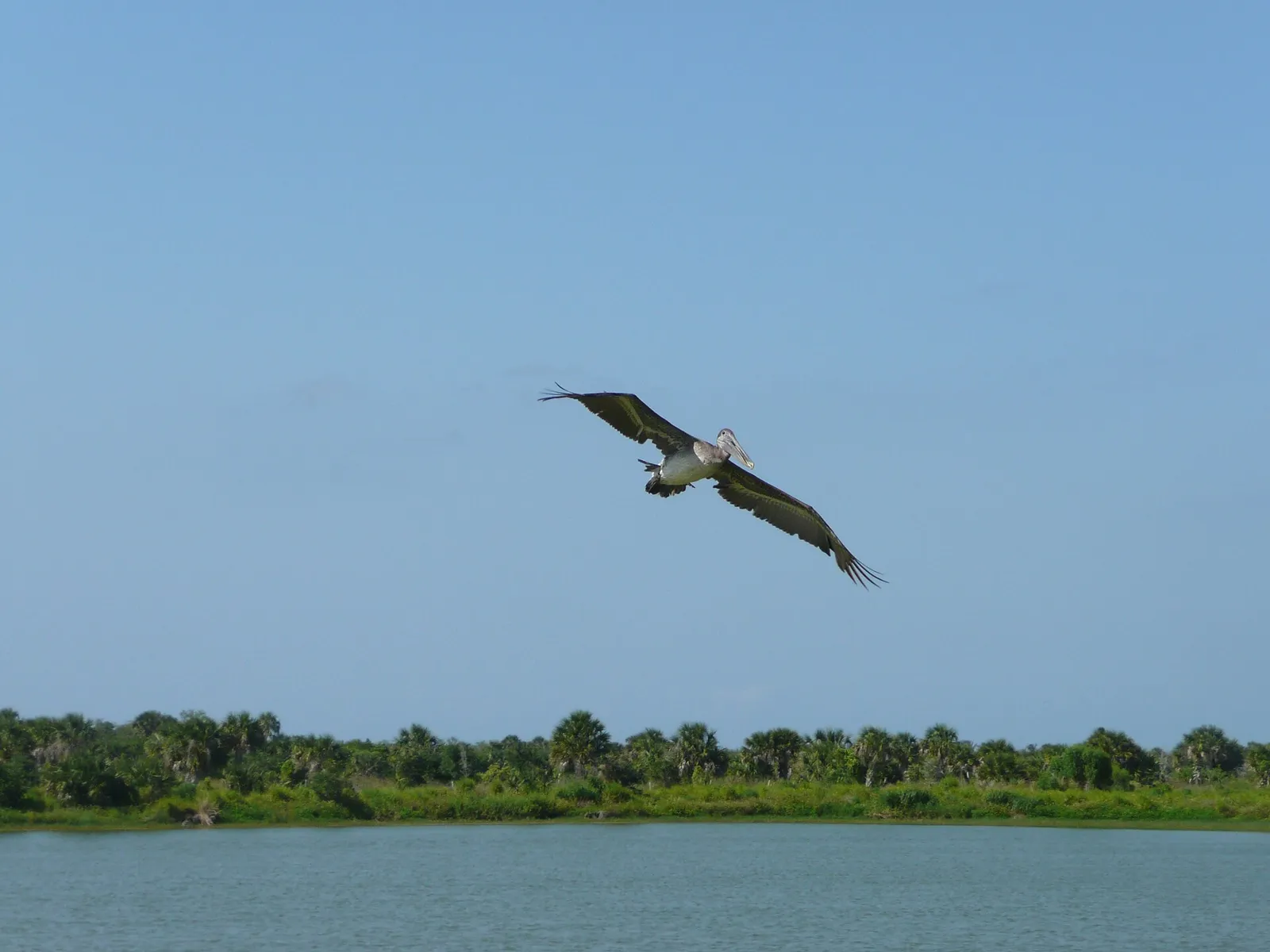
Pelicans and herons learn fast where the bait is. When one gets hooked, FWC's reel, remove, release guidance walks you through it.
Reel
Reel the bird in slowly and steadily. Don't jerk the line. Keep it on the water until you can net it. Wear sunglasses and watch long or hooked bills.
Remove
Hold the head and wings firmly but gently. Covering the head with a towel calms most birds. Cut the barb and back the hook out, or push it through and clip the barb if it's buried. Cut away all tangled line.
Release
Point the bird toward the water and let it fly off on its own. FWC says not to just cut the line and let the bird go. Trailing line and hooks can kill it later.
Dolphins
NOAA Fisheries says it is illegal under the Marine Mammal Protection Act to feed, try to feed or harass wild dolphins. That includes tossing them your bait or your catch.
NOAA's dolphin viewing guidelines say to watch from at least 50 yards. It explains that fed dolphins lose their wariness, come up to propellers, steal bait off hooks and have bitten people. If dolphins move in on your spot, reel up and move.
Line and beach lights
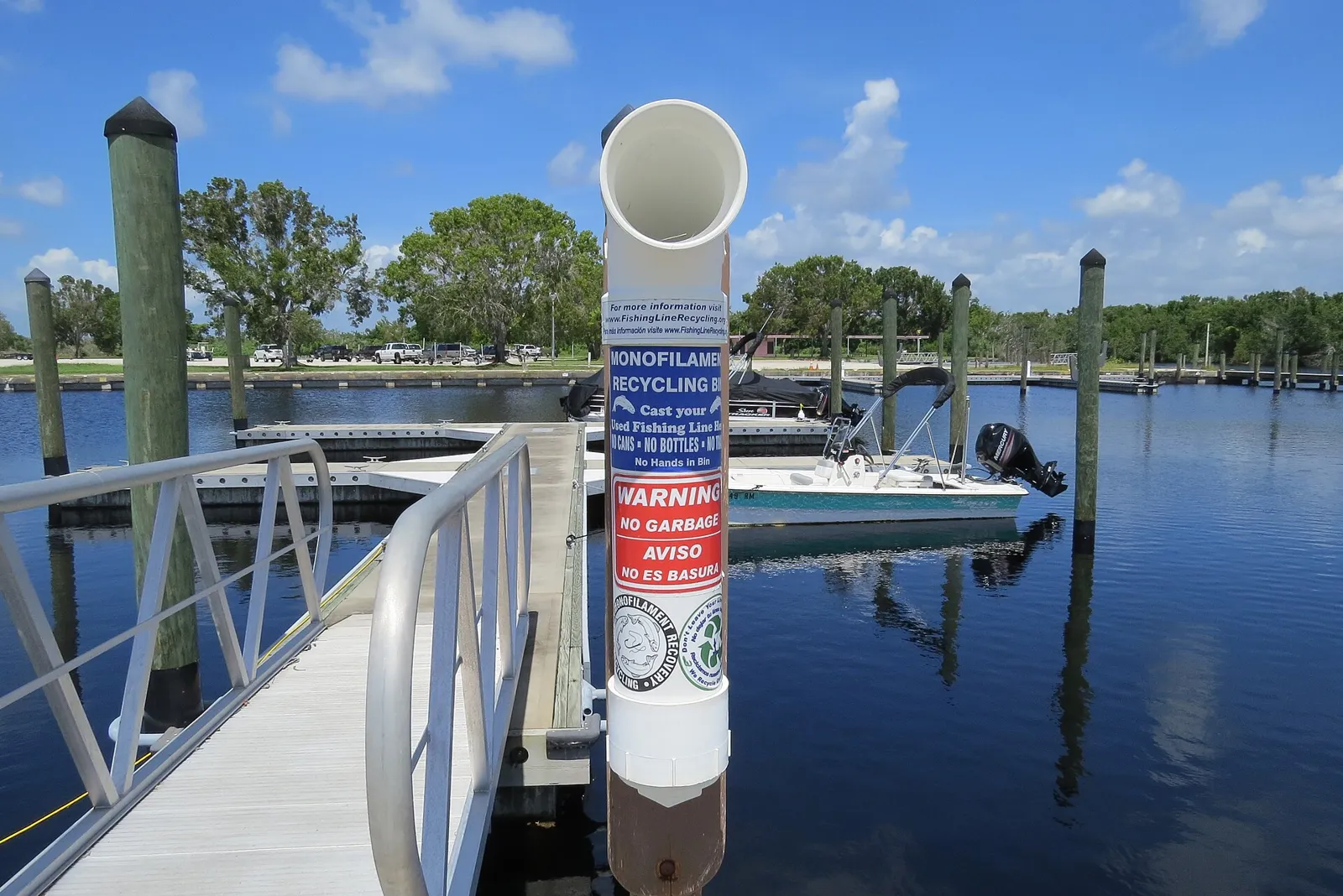
Loose fishing line is one of the worst things we leave behind. FWC says to put used line in a monofilament recycling bin, or cut it into pieces shorter than 3 inches and put it in a trash can with a lid.
Sea turtle nesting beaches
Light draws hatchlings away from the water. FWC's lighting rules of thumb are keep it low, keep it long and keep it shielded: low fixtures, amber or red light, and nothing shining on the beach. Night anglers on nesting beaches should use red headlamps, aim them down and turn them off when they can.
Fort De Soto. Pinellas County says loggerheads nest on Fort De Soto's beaches. Our Fort De Soto guide covers the rest of the park.
Polarized glasses help you spot manatees and turtles before you're on top of them, and long sleeves keep you covered on slow, careful days. See our sun gear.
Licenses and regulations
Regulations change. Check FWC’s license guidance and current fishing rules before you fish.
What to wear
Long sleeves, sun hoods and Florida art, printed to order in UPF 50+.
Shop sun gearFAQ
These answers cover the choices and advice discussed above.