
Summer storms and lightning on Tampa Bay
Why afternoon storms build almost every summer day, what the National Weather Service says to do on the water, and how to read the forecast before you launch.
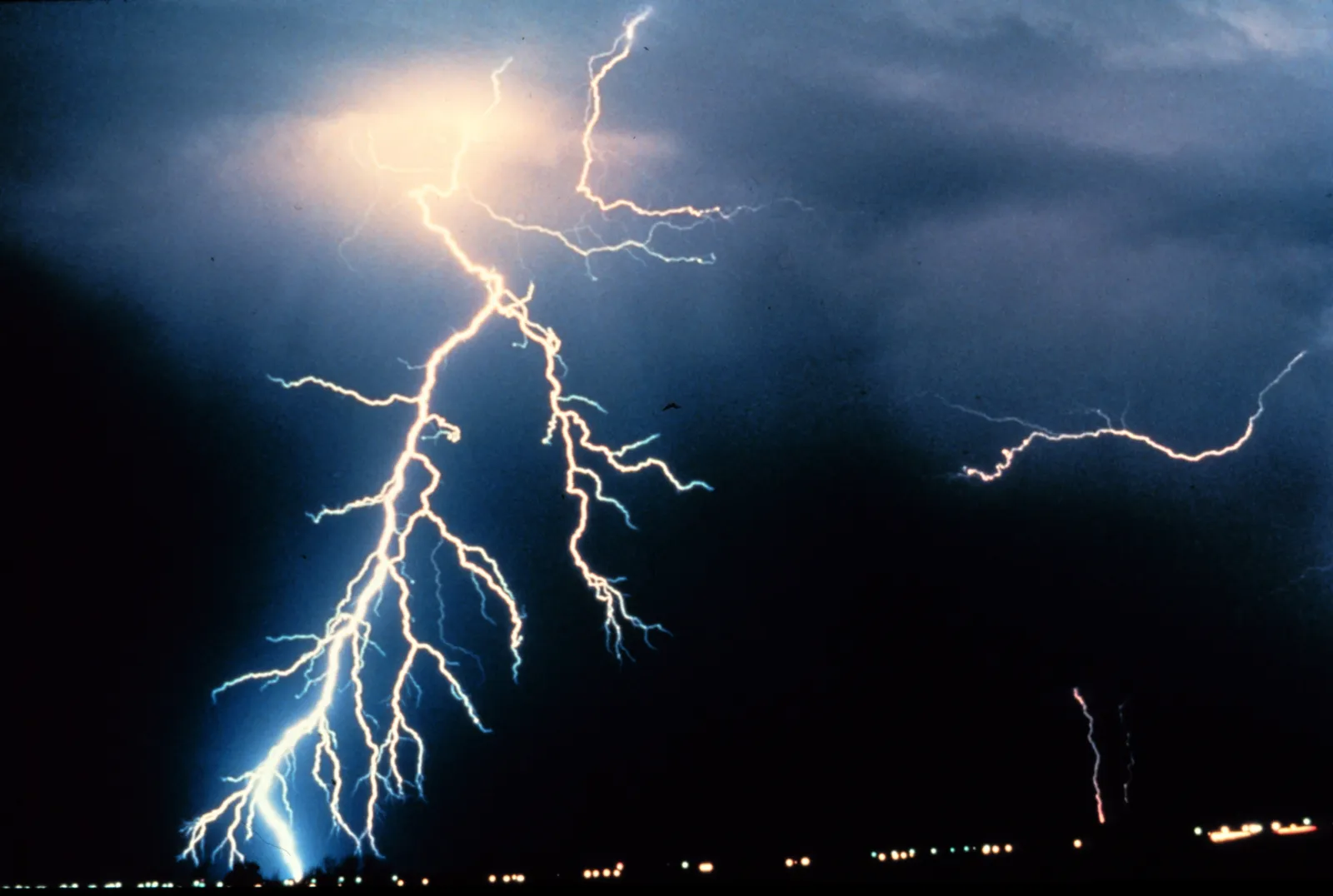
Florida and lightning
Anyone who fishes Tampa Bay in summer knows the pattern. Glassy at dawn, hot by late morning, then towers of cloud inland and thunder by afternoon. It is not bad luck. It is how Florida weather works.
The National Weather Service in Melbourne calls Central Florida the lightning capital of the United States. It says lightning causes more weather deaths in Florida than all other weather hazards combined, and that Florida has the highest lightning casualty total of any state. The NWS Miami office calls lightning the number one weather killer in Florida.
Why storms build in the afternoon
The NWS Tampa Bay office explains that west central Florida's rainy season runs from late spring into fall. Daily sea breezes push inland and collide with tropical moisture, which builds near-daily afternoon and evening storms through the heart of summer.
Wind direction changes the day
Which side of the bay gets hit depends on the steering wind. NWS Tampa Bay keeps a thunderstorm climatology that sorts summer days into flow regimes by wind direction and speed, because the same sea breeze lands storms in different places on different days. The daily Area Forecast Discussion often says which way the storms are expected to drift.
What that means for a fishing plan
Plan summer trips around the morning. Launch early, fish the best tide you can get before noon, and have the boat pointed home before the clouds tower. Our long day in the Florida sun guide has a sample dawn-to-afternoon plan.
Going indoors
The NWS lightning safety message is short on purpose: When Thunder Roars, Go Indoors. NOAA says there is no safe place outdoors in a thunderstorm. Safe shelter is a substantial building with wiring and plumbing, or a hard-topped metal vehicle with the windows up.
NOAA also says to stay inside for at least 30 minutes after the last thunder you hear. Older advice taught people to count the seconds between flash and thunder before deciding. Don't wait to count. If you can hear thunder, you are close enough to be struck.
If you're caught on the water
The best plan is not to be out there. The NWS safe boating page says all thunderstorms produce lightning, advises against heading out when storms are possible, and says to get to port right away when they develop.
If you cannot get off the water in time, the NWS marine weather safety rules give a short list.
- Life jackets on: Everyone puts one on before the weather arrives.
- Get low: On an open boat, crouch low in the center, away from metal hardware. On a boat with a cabin, stay inside.
- Hands off metal: Avoid touching metal or electrical items, and don't touch more than one grounded object at a time.
- Rods down: Lay rods flat in the boat. A rod held overhead is the tallest thing around.
Piers and beaches. Piers, jetties and beaches offer no shelter. Leave as soon as you hear thunder. Get to your car or a real building.
Waterspouts
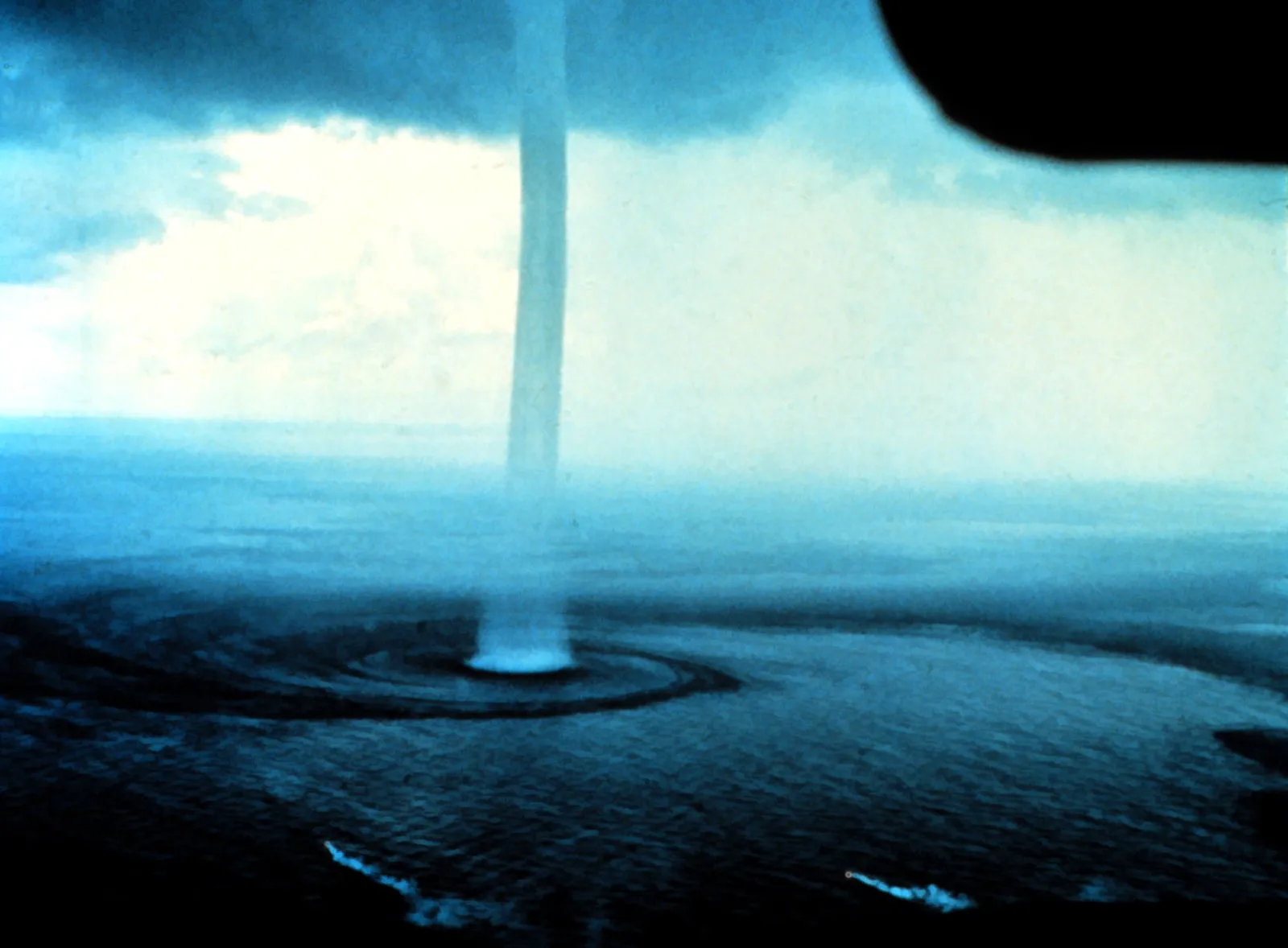
A waterspout is a tornado over water. The NWS offices in Jacksonville, Miami and Key West describe two kinds.
- Fair weather waterspouts: Form under lines of cumulus clouds with dark flat bases, usually in light wind. NWS says they are common in Florida coastal waters from late spring to early fall.
- Tornadic waterspouts: Form from severe thunderstorms and carry the same dangers as tornadoes on land, along with hail and lightning.
NWS Jacksonville says to move away at a 90 degree angle to the waterspout's apparent path and never try to go through or get close to one. NWS Miami notes that a waterspout moving onshore triggers a tornado warning.
How to check before and during the trip
Build the habit of checking twice: once at home and again on the water, because Florida storms build fast.
- NWS Tampa Bay: The local forecast office for the point forecast and discussion.
- Marine page: The Tampa Bay marine weather page gathers observations, buoys and zone forecasts.
- Tampa Bay waters zone: The GMZ830 forecast covers the bay itself. The zone map shows Gulf zones beyond the mouth.
- Radar: NOAA's national radar shows cells building and moving.
- Live conditions: NOAA's buoy station data gives real wind on the water.
Set a turn-around time. Agree on a time to head in before you leave the dock, and stick to it even if the fish are biting.
Heat comes with the storms
The same summer days that build storms are hot and bright. Drink water, take shade breaks and cover up. Our packing guide covers heat illness signs from the NWS and CDC, and sun gear covers skin without trapping heat like a heavy layer would.
Licenses and regulations
Regulations change. Check FWC’s license guidance and current fishing rules before you fish.
What to wear
Long sleeves, sun hoods and Florida art, printed to order in UPF 50+.
Shop sun gearFAQ
These answers cover the choices and advice discussed above.