
Is trout in season in Tampa Bay this winter?
Yes, spotted seatrout are open all year in Tampa Bay. The 2026 regional rules, where trout go when it turns cold, how slow to fish for them, and how to put one back in good shape.
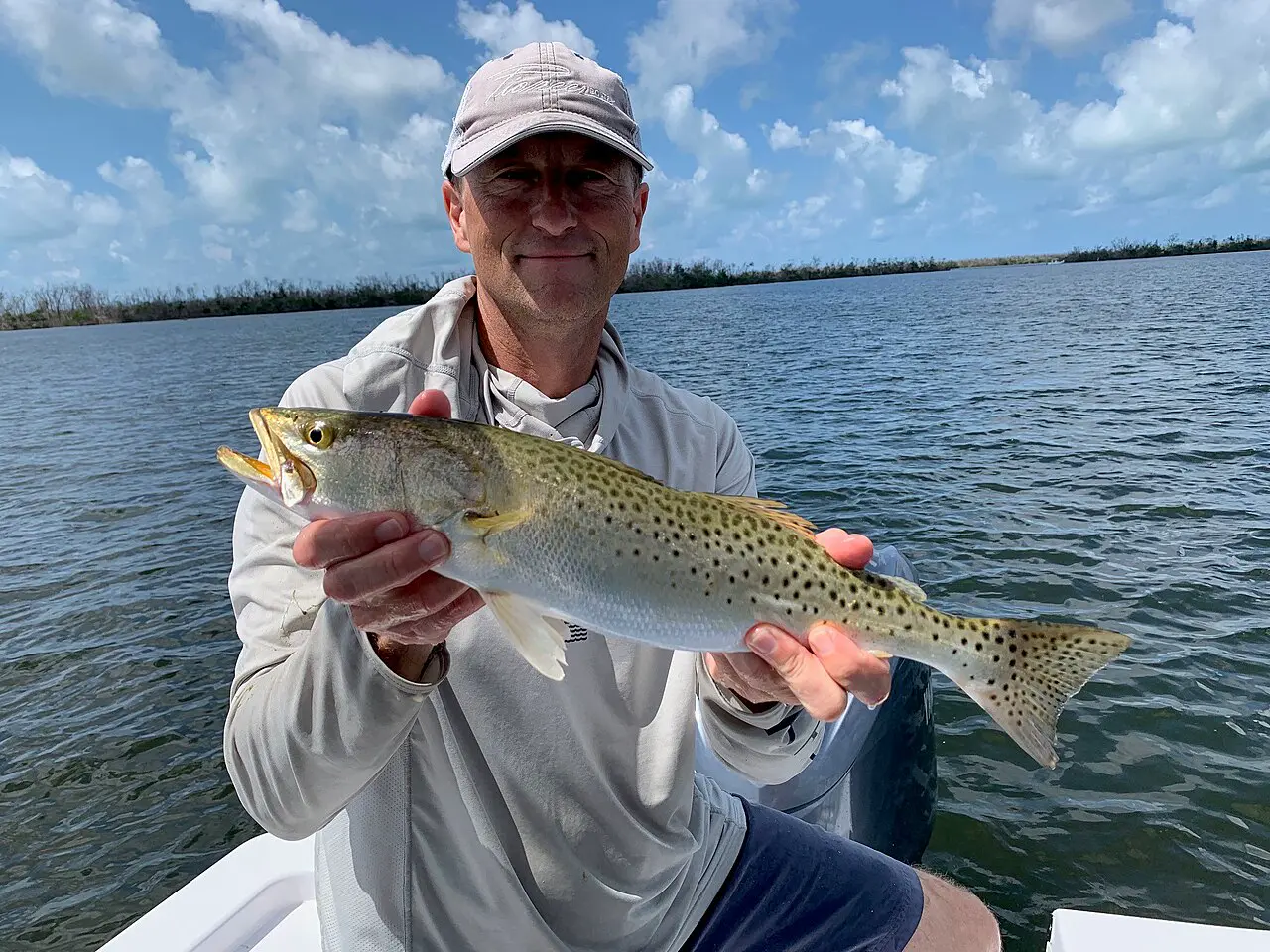
The line moved, and it's on a causeway
Here's what trips people up this year: your trout limit now depends on which side of a causeway you're on. In February 2026 FWC split the state into nine seatrout regions with their own bag limits and seasons, effective April 1, according to FWC's announcement. Red drum and snook are managed the same regional way now.
The Tampa Bay region runs from the westernmost point of the Fred Howard Park Causeway in Pinellas County south to the west end of State Road 64 in Manatee County. It covers all of Hillsborough County's waters and Manatee County's waters north of SR 64, including the Alafia, Hillsborough, Manatee and Braden rivers. Palma Sola Bay and the Anclote River are not in it.
Fish the edges and the bag changes under your boat. North of the causeway, Anclote included, you're in the Big Bend region, where the bag is five. South of SR 64 you're in the Sarasota Bay region, open all year with three. The 15 to 19 inch slot is the same everywhere. Heading across the state? The Panhandle closes in February, and the Indian River Lagoon closes November 1 through December 31, with a two-fish bag and no fish over 19 inches.
The rules inside the Tampa Bay region
Under FWC's spotted seatrout rules, the season is open every month. A fish you keep has to be at least 15 and no more than 19 inches total length, and the bag is three per person per day.
You can also keep one fish over 19 inches per boat, or one per person from shore. That big fish is one of your three, not a fourth. Trout stay whole until you're back on land, and the captain and crew on a charter can't keep a bag. Hook and line and cast nets are the legal gear. Snatching is out, and so is keeping a trout caught on a multiple hook used with live or dead natural bait.
Where they go when it turns cold
All summer, trout spread out across the grass. When it cools off they slide into deeper, still water, and push into brackish water and up the rivers. They rarely stray far from the estuary they were born in, so January's fish are locals that have tucked in somewhere close by.
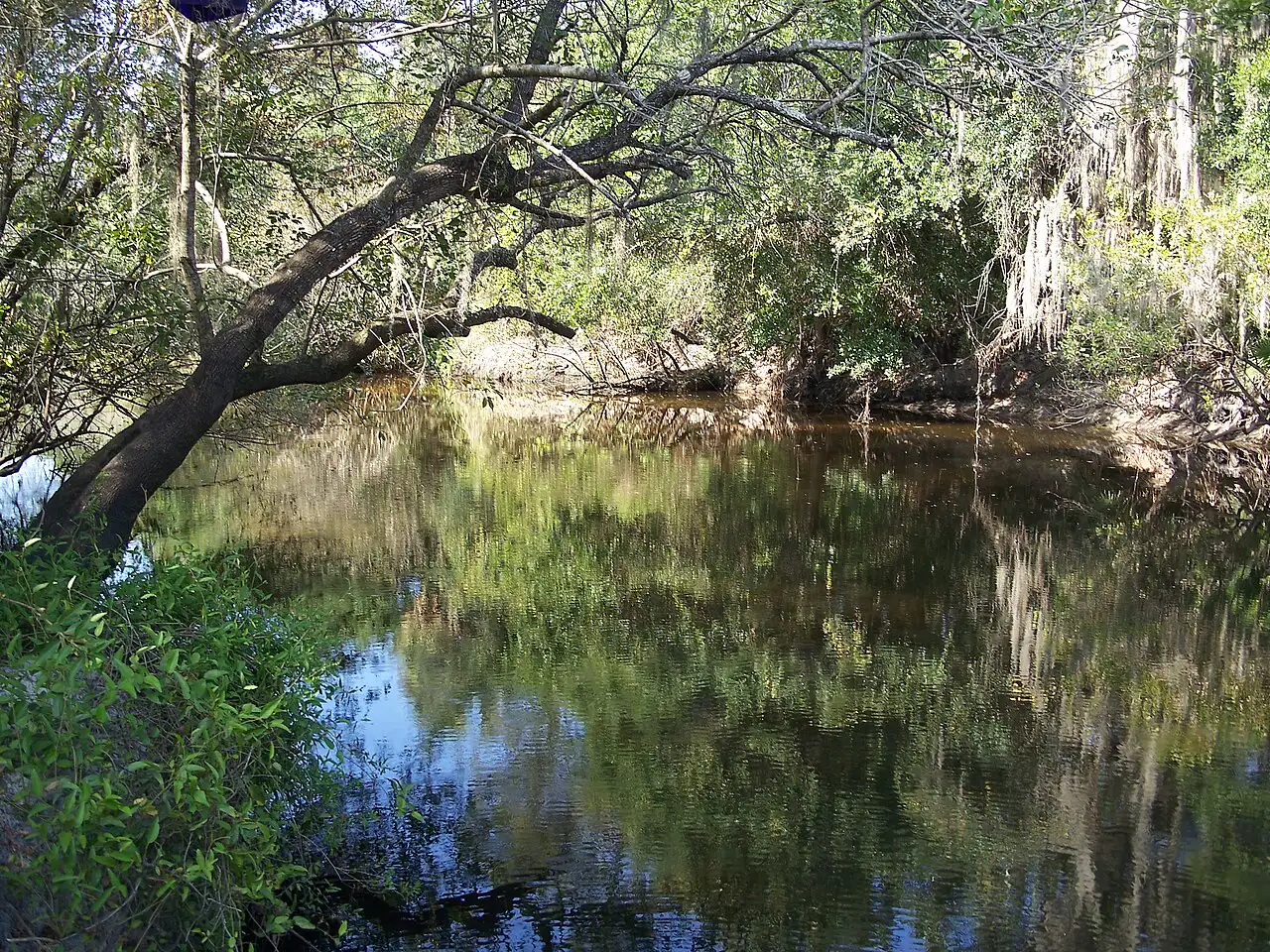
Around here that means the deep holes and edges beside the grass flats, channel drop-offs, and the bends and deeper stretches of the rivers that feed the bay. Our Alafia River guide has public access on our home river, and the Cockroach Bay guide covers the islands and grass at the mouth of the Little Manatee River.
Cold trout gather in big schools in fresher water. So when you catch one, don't run off looking for the next spot. Slow down and work that water, because there are probably more where it came from.
What to throw, and how slow
Free-line a live shrimp, small pinfish or pigfish near the bottom to pull trout out of the holes in the grass. Or hang it under a float and drift it over the grass while you're still looking for fish. Soft-bodied jigs, topwater poppers and spoons all catch trout too.
When the water's cold, the jig and the bottom shrimp do the work. Crawl the soft plastic through the deep edge instead of ripping it across the top, and let the shrimp sit. A cold trout isn't chasing anything far. Trout ambush their food and swallow it whole. They also have two big canine teeth at the tip of the upper jaw, so run your fingers down the leader after every fish and retie at the first nick.
Putting them back in good shape
With a 15 to 19 inch slot you'll release plenty, and trout are delicate. Wet your hands, handle the fish as little as you can, and use a dehooking tool. Never hold one by the jaw, gills or eyes. If it's gut-hooked, cut the line as close to the hook as you can while the fish is still in the water. Release it head first.
Skip the towel. Gloves and towels rub off the slime that protects the fish. Wet your hands, hold the fish flat to support its body, and get it back in fast.
How the bay's trout are doing
Pretty well. The 2025 Tampa Bay seatrout review found the Gulf stock is beating its 35 percent spawning potential ratio goal, and abundance shows no long-term damage from the long 2017 to 2019 red tide. Seagrass, where trout spend the warm months, has been increasing across the region, though Old Tampa Bay has seen a local decline.
Spawning is a spring and summer thing here, typically starting in late March and ending in late September. Researchers found the spawning spots by listening for the drumming sound males make, and sometimes they could hear it through the bottom of the boat.
Before you go
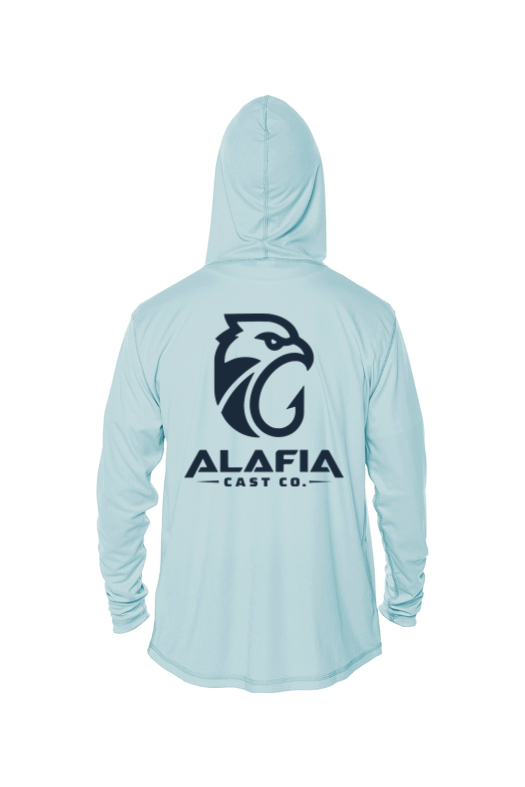
The jacket comes off sometime before lunch. You've found the school on a deep edge, the sun's up over the flat, and you're not about to motor off and lose the spot. A long-sleeve sun shirt under that jacket keeps your arms covered while you stay on the fish.
For the bay's other winter fish, the sheepshead guide covers the ones crowding the pilings right now.
More from Alafia Cast Co
Licenses and regulations
The rules, biology and survey results here come from these pages. Regulations change, so check FWC before you keep a fish.
FWC spotted seatrout regulations · FWC news release on the 2026 seatrout rules · FWC spotted seatrout profile · Florida Museum spotted seatrout profile · FWC 2025 Tampa Bay seatrout annual review (PDF) · FWC Tampa Bay seatrout spawning study · FWC fish handling tips · FWC column on handling fish in cold weather · FWC holistic management
FWC’s current saltwater and freshwater fishing rules. Regulations change.