
Why do mullet jump?
What scientists think is behind the mullet's leap, from gulping air to dodging dolphins, why the fall spawning run puts so many on the move, and Florida's mullet limits.
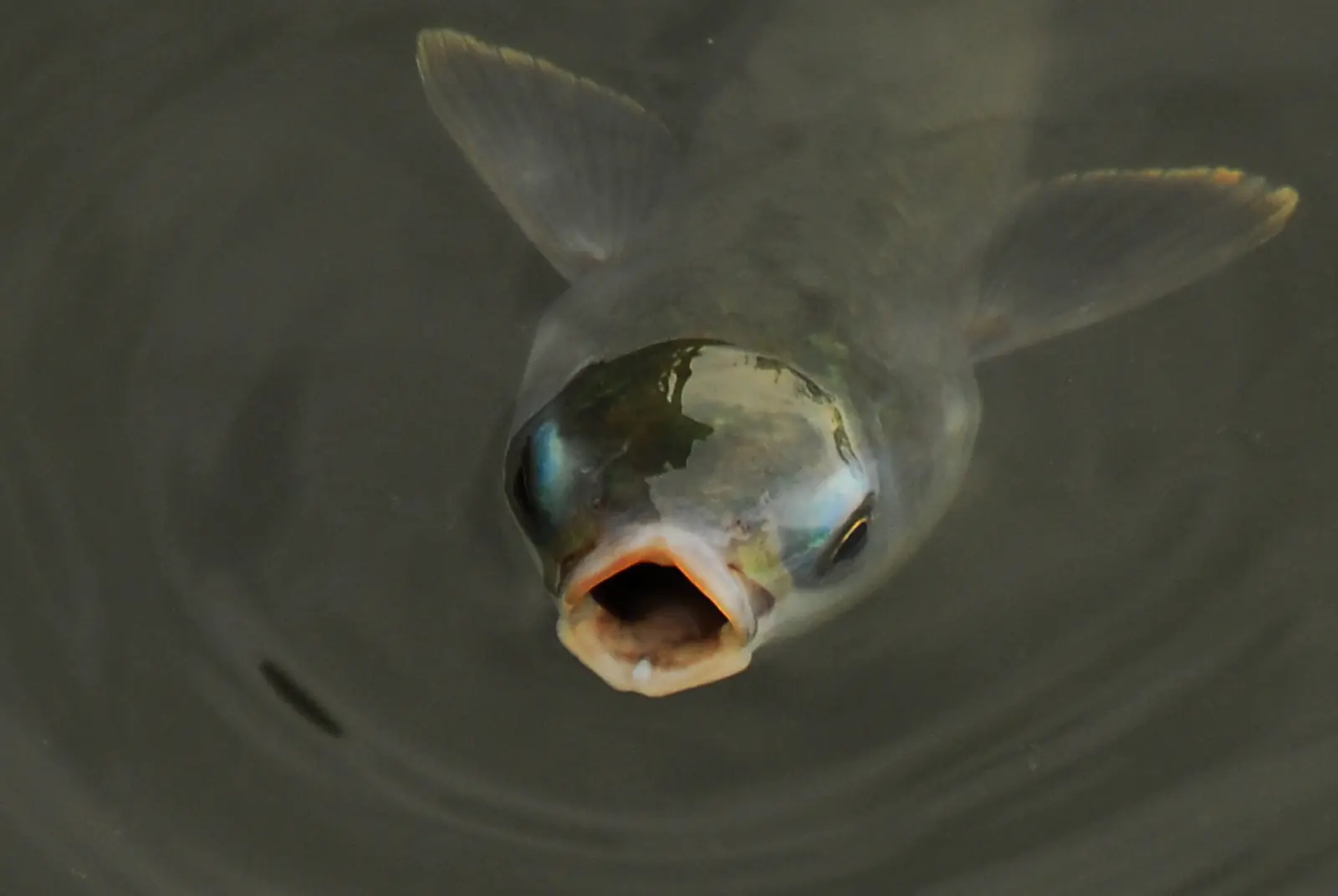
Nobody knows for sure
A mullet clears the water. Sometimes several fish leave at once, and a slower leap, usually just one fish, can end with it flipping onto its side or its back. Biologists still aren't sure.
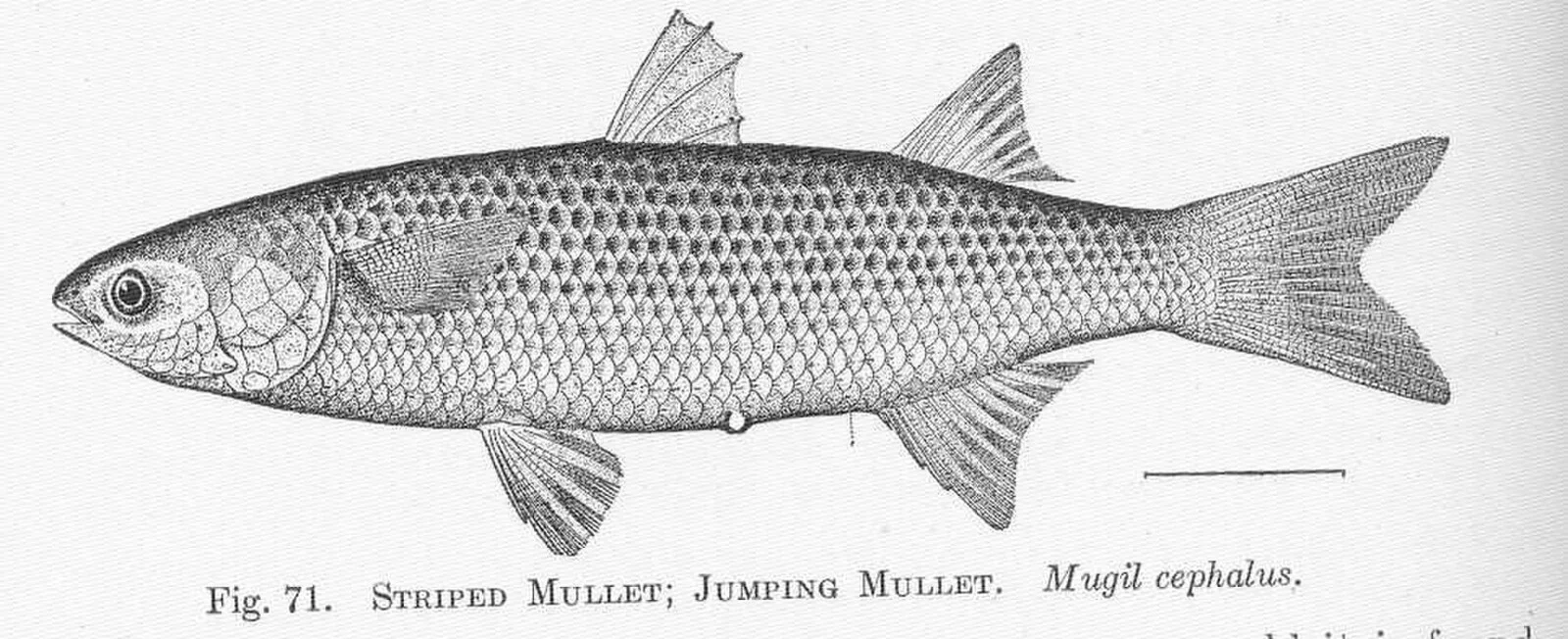
The habit is old enough to have its own names: jumping mullet, jumping jack, and leaping mullet. They are frequent leapers that eat algae, decaying matter and other tiny marine life, and a jump can reach about 3 feet out of the water.
The ideas with the most behind them fall into two groups: getting away from a predator, and breathing air.
A gulp of air
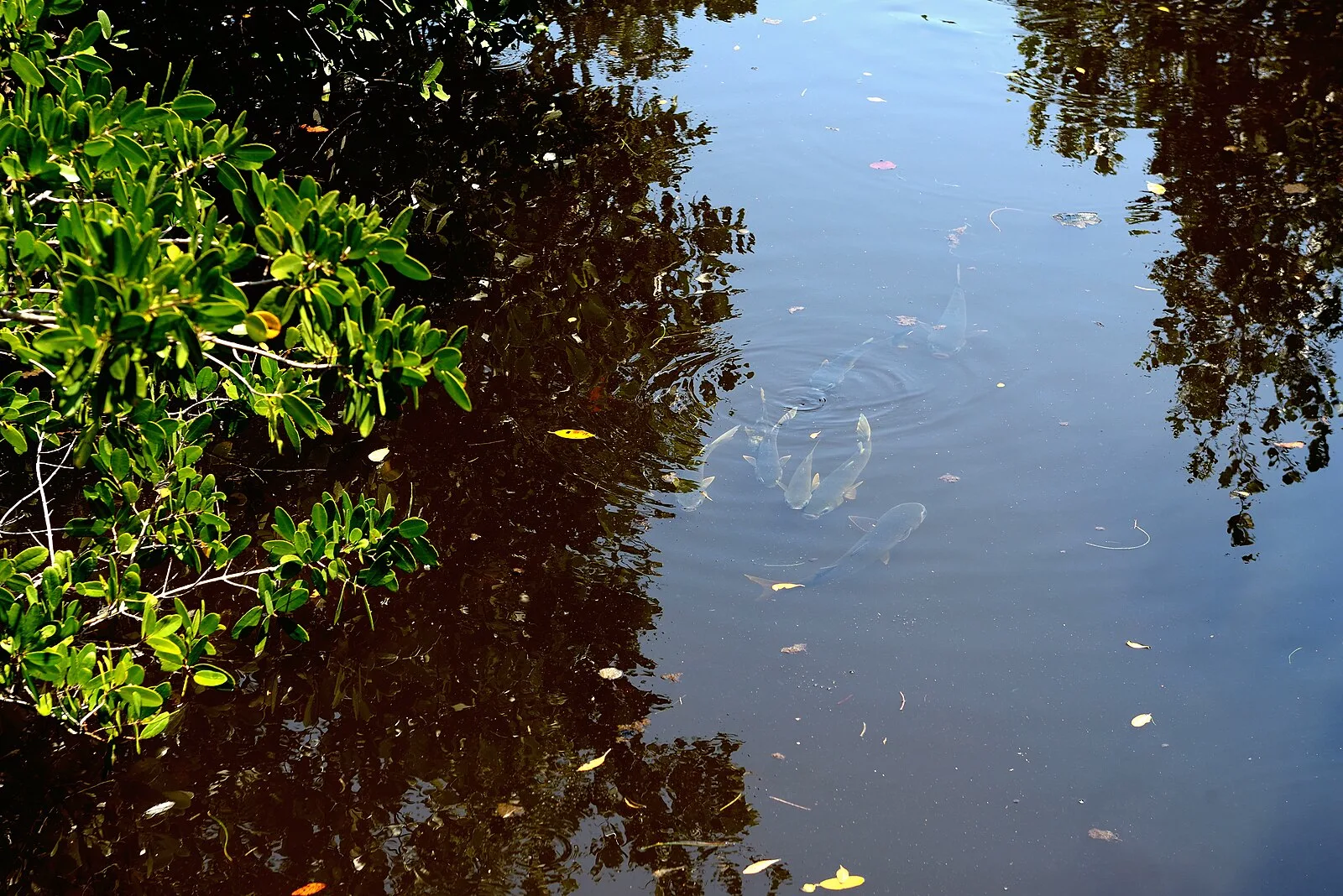
The best-known study is from 1985, when H. D. Hoese published a paper with the great title "Jumping mullet: the internal diving bell hypothesis" in Environmental Biology of Fishes. He pointed to circumstantial evidence that striped mullet use the upper back part of the throat, the pharynx, to breathe air. They get that air by jumping, by rolling at the surface, or by holding their heads above water.
His main evidence was that the fish jumped more when there was less dissolved oxygen in the water, and that a structure in that part of the throat, the pharyngobranchial organ, can hold gas. That's the diving bell: a pocket of air the fish carries back down. The trapped air is believed to let a mullet stay active in low-oxygen water for about five minutes. These fish feed during the day, often in bottom sediments that are short on oxygen, and they rarely jump at night.
The same idea shows up elsewhere. The jumps may clear the gills and give the fish an oxygen boost in stagnant, warm, low-oxygen water, and there is some evidence they jump more often in water like that. Nobody has settled it.
Running from dolphins
Some jumps are plainly escapes. A leap to get away from a predator usually involves more than one fish jumping at the same time. Mullet leap out of the water to avoid bottlenose dolphins and other predators.
It doesn't always work. In the huge fall schools around Florida, fish jump to escape and sometimes land in the mouths of waiting dolphins. Dolphins sometimes know to expect it. The wildlife guide covers why you should never feed dolphins and how close to get.
The other guesses
Two other ideas come from Newport Bay in California, where the jumpers are also striped mullet: knocking parasites off the skin, and signaling other mullet when the water is too cloudy to see. A last suggestion is that maybe it's just fun.
None of these explanations rules out the others. A fish could jump for air one minute and to dodge a dolphin the next.
Why there are so many right now
Late fall is mullet season on the Gulf coast. Gulf spawning starts in October and runs into January, peaking in November and December. Mature fish gather in big schools in the lower estuaries, then run 40 to 50 miles out into the Gulf to spawn.
Offshore predators gorge on those fat, egg-heavy fish during the run. A female can produce from half a million to several million eggs. The eggs and larvae drift back toward shore on currents and tides, and young mullet move inshore at about an inch long, working far up tidal creeks. Striped mullet mature at about 3 years old. They are common to 3 pounds, with a maximum of 47.2 inches and 17.6 pounds. Reported lifespans run from 4 to 16 years.
Mullet rules if you throw a net
If you throw a cast net for mullet, here's what FWC's mullet page listed this week for Gulf and Atlantic state waters. The rules cover striped, white, fantail and redeye mullet.
- Bag limit: 50 mullet per person per day, with no minimum size.
- Vessel limit: 50 fish per boat from September 1 through January 31, and 100 from February 1 through August 31.
- Season: Open year-round.
- Legal gear: Hook and line, spears, gigs, seine and cast net. Spearfishing mullet in fresh water isn't allowed.
Part of Pinellas County has a stricter local rule. Under Florida Administrative Code 68B-39.0045, from October 1 through January 31 nobody may keep more than five striped mullet a day in Riviera Bay, Bayou Grande, Smacks Bayou, Snell Isle Harbour, Coffee Pot Bayou and the nearshore water from Second Avenue NE north toward Weedon Island. Five is also the most allowed on any one boat there, however many people are aboard. Check the mullet regulations before you go, since rules change.
The live bait guide covers catching bait with a cast net legally. For something to catch while the mullet put on a show, the sheepshead guide covers the winter bite on Tampa Bay's piers and pilings. A long morning on a seawall watching mullet goes better with a hood and long sleeves between you and the glare off the water.
More from Alafia Cast Co


Licenses and regulations
The biology and rules here come from these pages from FWC, the Florida Museum, UF/IFAS, Louisiana Sea Grant, South Carolina DNR, the Australian Museum, the Hoese study and others listed here.
FWC: Striped mullet profile · FWC: Mullet recreational regulations · Florida Administrative Code 68B-39.0045: Pinellas County seasonal striped mullet limit · Florida Museum: Striped mullet · Australian Museum: Why do mullet leap? · Hoese (1985): Jumping mullet, the internal diving bell hypothesis · UF/IFAS Escambia County: The magnificent mullet · Louisiana Sea Grant: Striped mullet · South Carolina DNR: Striped mullet · Newport Bay Conservancy: Why do the fish jump? · Florida Springs Institute: Striped mullet · Texas Parks and Wildlife: Striped mullet · National Geographic: Millions of mullet swarming in the Atlantic
FWC’s current saltwater and freshwater fishing rules. Regulations change.