
How to Fish Tampa Bay After a Cold Front
Where snook, reds and trout go when a front drops Tampa Bay's water temperature, how to fish the cold, low tides, and what to do about cold-stunned fish.
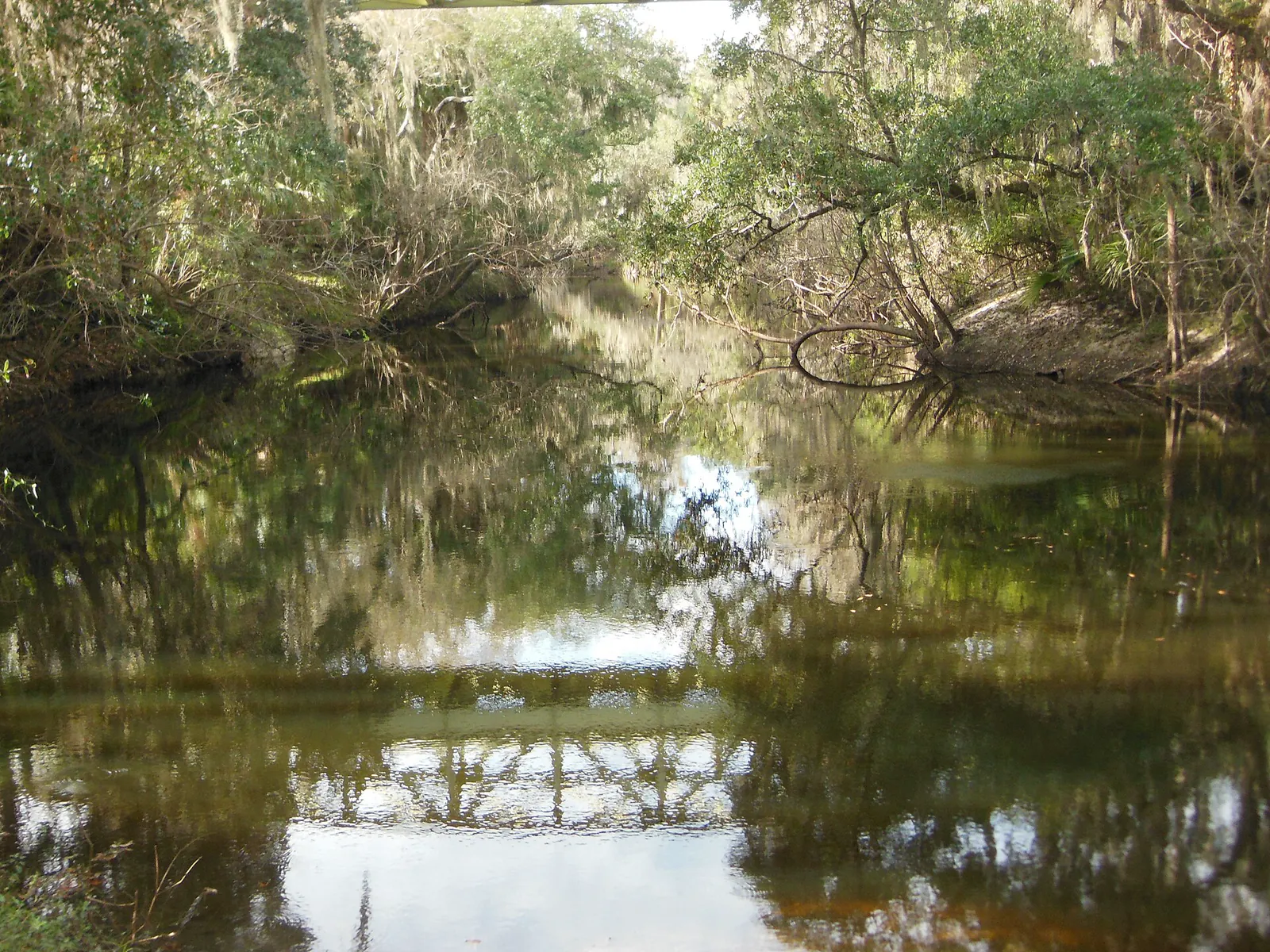
What did the front do to the water?
Everybody sees the blue sky and heads for the same flat. By the time the rods are rigged, that flat is a sandbar, the north wind is still in your face, and the fish from Tuesday are not out there waiting.
A front does more than cool the air. The wind swings, and wind moves the bay. A wind blowing off the land pushes water away and stretches the low tide out. A wind blowing onto the land piles water against the shore and can wipe a low tide out. The high pressure that sits down after the front pushes sea level lower still, which is why the clearest, sunniest days are often the ones with the least water. A front can move the water level a long way in a few hours, and the tide table on your phone only knows the moon and the sun.
The tide chart is a polite suggestion once the wind gets a vote. Before you leave the ramp, put the wind next to that table. If it is blowing off the land and the barometer is high, plan on less water than the number says. Fish the edge that still has water, and the holes, not the middle of a flat that might be a parking lot by the time you get there.
That is also the morning the glare gets you. The tide is blown out, a sandbar is sitting in the sun, and you are poling the edge or wading it with the north wind in your face. Hood up. An Alafia Originals Men's Sun Hoodie is the layer between you and that skinny, bright water.
Where did the fish go?
Gulf coast snook do not make long trips. They come back to the upper estuary in late summer or early fall and they stay through the winter. Drop the water under 65°F and they get lethargic. Up there they also get a break from sharks, porpoises and barracuda. The northern edge of their range is the 50°F water line, so a hard cold spell here is not a story about some other coast. These fish live at the edge of what they can stand.
The water that holds them is the upper estuary, the rivers, the canals and the bayous, plus the deeper holes at the mouths of coastal rivers and in the channels. They do not relocate across the bay because you showed up with a different lure. The stretch that held them yesterday is still the stretch.
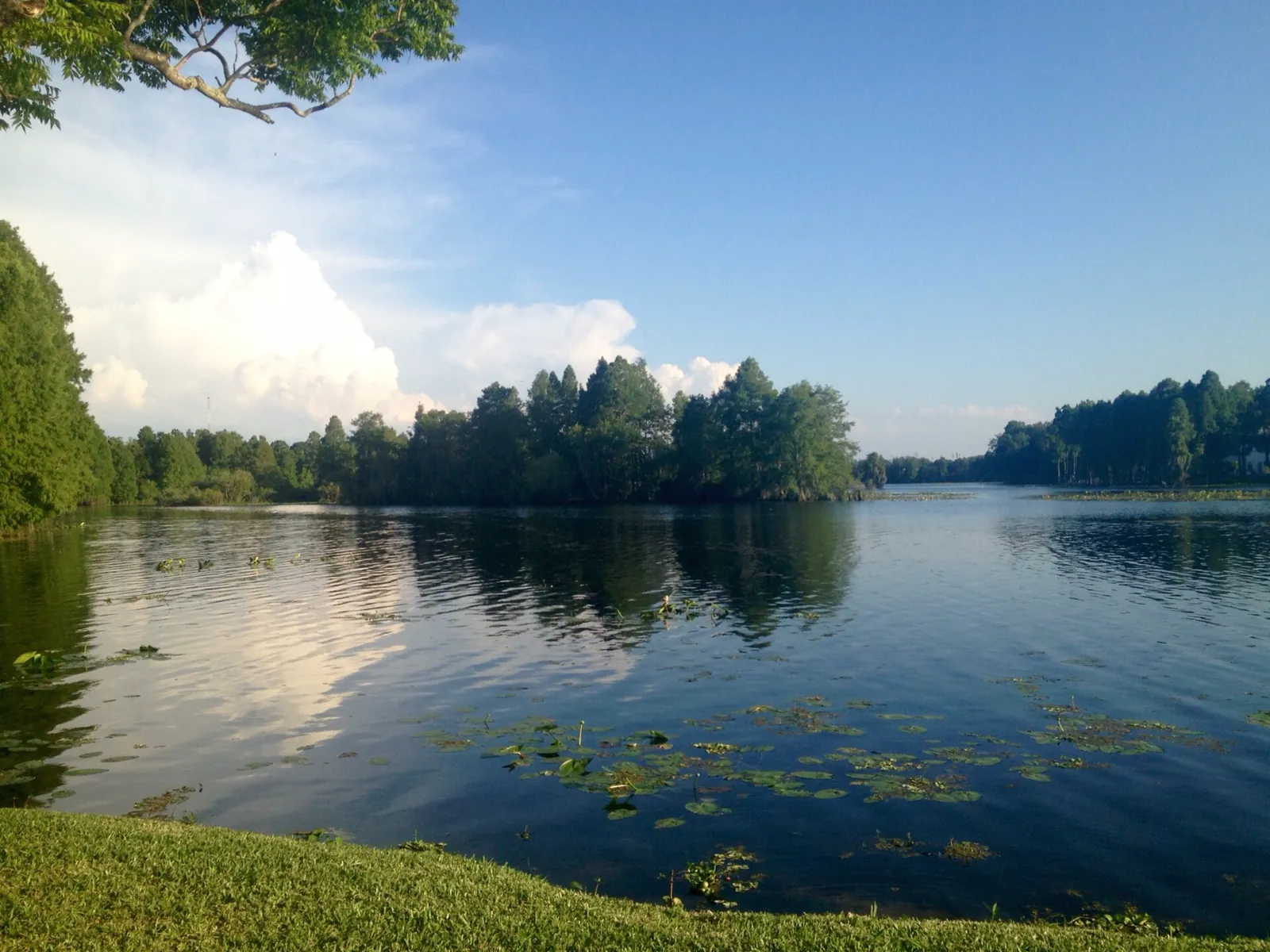
Trout tuck in too, sliding into deeper, still water once it turns cold. On a higher tide most trout get caught over the shallow grass. On a low one, fish the deeper edge of that grass. When the water is genuinely cold, look in the channels, the holes and the canals. They school with fish their own size. If the ones you catch are short, you are in the wrong class. Leave that bunch and find the next one.
Reds in winter are in the seagrass, over muddy or sandy bottom, near oyster bars, and up spring-fed creeks. On a low, skinny tide, watch for a tail sticking out of the water. That fish is rooting. Put the bait past it, not on its head.
Sheepshead skip this commute. They live on structure: oyster bars, seawalls and tidal creeks. Late winter and early spring they move nearshore to spawn, and they typically spawn in March and April. So in December, look for them on the bars, seawalls and creek mouths. A quiet snook morning can still be a good one if you fish the structure.
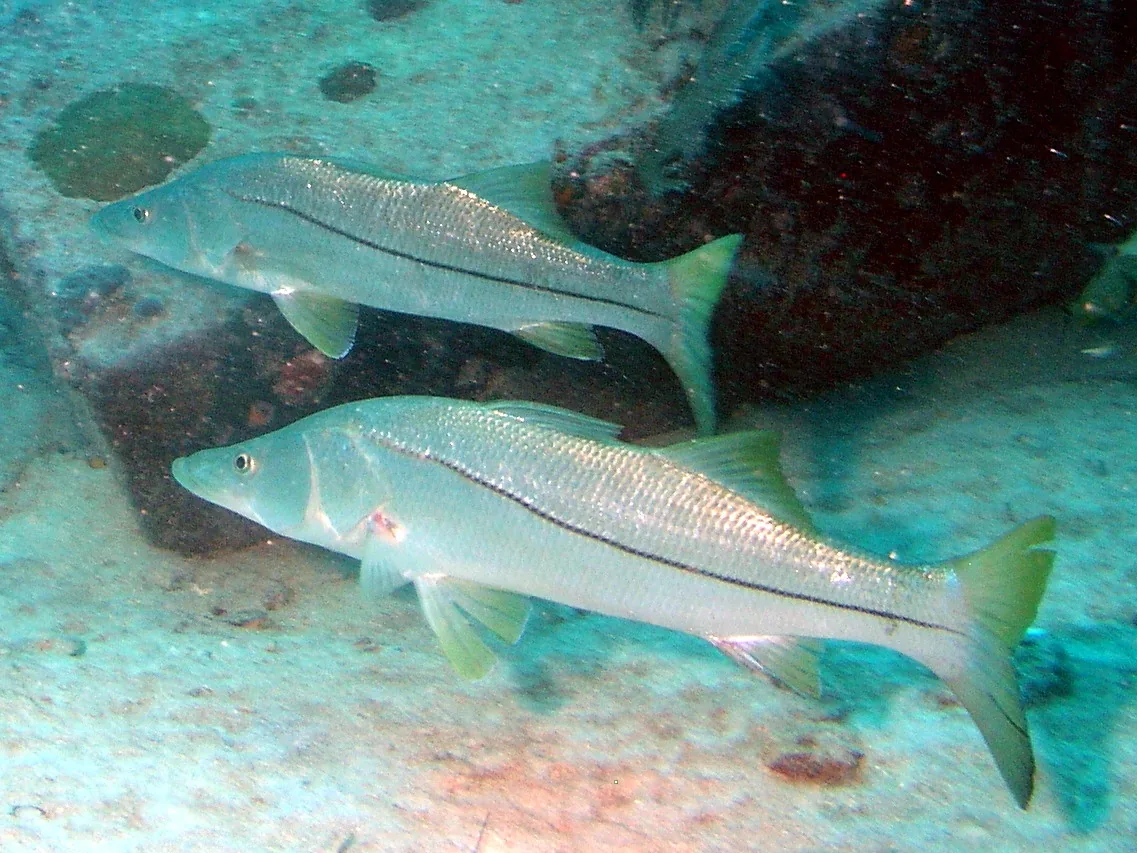
A cold snook will not cross the canal to eat. It sits there and makes you come over. Start the morning up a river or in an upper-bay canal, and when you find one, stay on that piece of water.
How do you fish water that cold and that low?
Slow is the method. The fish are not going to run your lure down and meet you in the middle.
For trout, free-line a live shrimp, or a small pinfish or pigfish, right near the bottom. That is how you pull them out of the holes in the grass. If you are still searching, hang the same bait under a float and let it drift the grass while you cover water. A soft jig works. Jigs and other slow-moving lures are the ones that match cold water, and live shrimp is still the bait they take most often. The winter trout guide has the rest of that cold-water setup.
In winter, a lure usually beats live bait for snook. Save the live bait for spring and summer. Fish them when the water is moving, and take the outgoing tide when you can get it. They face into the current and wait for food to arrive, so bring the lure to the fish. Cuts between islands, points next to sandbars, and the channels through the flats are the likely pieces of water.
On the coldest, windiest days, find a bar or a sandy bank on the northeast shore of a canal or a bayou up in the bay. Work it with a twitchbait or a plastic grub, and work it slow. Come in quiet. If you blow the spot up, leave. Come back in about 30 minutes. They do not go far, and they will be on that bank again.
The deeper holes at a river mouth, and the holes in the river channel, hold snook too. A live sardine at the start of the outgoing is the offering there. If you get to pick the day, pick one with four tides, because on a two-tide day the current barely moves and neither do the snook.
Reds will take a live shrimp under a popping cork. They also eat crabs, mullet, pinfish and killifish, and a soft jig or a spoon will get their attention. In this cold, low water, tie on the shrimp or the slow jig and fish it over the mud and the oyster.
Every snook goes back this time of year, and a trout you don't want should go back fast, because they bruise easily. Only two percent of released snook die from the catch itself. Keep your hand off the gill cover. It is razor sharp and it will open your palm. The catch and release guide is the rest of putting a healthy fish back.
What's open in December?
December isn't closed. It depends on the fish, and the regions follow FWC lines, not county lines.
For snook, the Tampa Bay region starts at Fred Howard Park, near the Pasco and Pinellas line, and runs south to State Road 64 in Manatee County. It includes the Alafia, Braden, Manatee and Hillsborough rivers and their tributaries. It does not include Palma Sola Bay, and it does not include the Anclote River. Inside that region the season is closed from December 1 to the end of February, and again from May 1 to August 31. When it reopens, the slot is 28 to 33 inches total length, one fish per person per day, hook and line only, and you need a snook permit on top of your fishing license.
Redfish are open all year in their own Tampa Bay region, which runs over the same stretch of coast. The slot is 18 to 27 inches total length, one per person per day and two per boat. The redfish page only names the Braden and Manatee rivers, so if you plan to keep one up the Alafia or the Hillsborough, check its map first.
Spotted seatrout are open all year in a Tampa Bay region drawn almost the same way, with the same four rivers in and Palma Sola Bay and the Anclote out. The slot is 15 to 19 inches total length, three fish per person per day. You may keep one fish over 19 inches per boat, or one per person if you are fishing from shore, and that bigger fish counts as one of the three. It is not a bonus.
Sheepshead are open all year. The minimum is 12 inches total length, and the bag is eight per person per day. In March and April there is also a 50-fish limit per boat per trip.
On a for-hire trip, the captain and crew do not get a bag of snook, redfish or trout. Snook, redfish and trout have to come ashore whole. A multiple hook with live or dead natural bait is illegal for redfish, trout and sheepshead, and snatching is out for those three. Rules change, so check the FWC page before the trip.
What do you do when a fish can't swim?
Cold doesn't just slow the bite here, it can kill fish outright. When the water drops fast or stays cold for days, snook, tarpon and other warm-water fish go lethargic, which biologists call cold-shock, and some never come out of it. January 2010 is the one people still talk about: so many snook died that the season closed statewide, the Atlantic side reopened that September, and the Gulf side stayed shut until September 2013. A bad freeze is not just a slow weekend.
Leave it in the water. If you find a snook that the cold has stunned, do not handle it and do not take it out of the water or off the spot. Give it room and report it.
Write down the spot and how many you see. Call the Fish Kill Hotline at 1-800-636-0511. Have the location ready, a street address or GPS if you have it, the number of fish, the species if you can tell, and a phone number or email so they can reach you.
A sea turtle or a manatee is a different number. Wildlife Alert Hotline, 1-888-404-3922. Do not handle a stunned turtle or manatee, and do not crowd it.
A hard freeze sometimes brings an emergency order, and the one in February 2026 covered only two named counties and only the cleanup of dead fish off the shoreline. It was not a license to fill a cooler with whatever is floating. If there's been a freeze, read the executive orders page the week of your trip.
What if you end up in the water?
The air on that bluebird morning will lie to you. Kayaks and waders are the ones who find out. Cold shock in water of 50 to 60°F can be as dangerous as cold shock in 35°F water. The gasp and the fast breathing can start in water as warm as 77°F, so this is not only a January problem. A life jacket significantly raises your odds if you go in. Put it on before you slide the kayak off or step off the boat, not after you are already wet and mad about it.
Dress for the water, not for the postcard sky. On a blown-out tide the flat looks friendly and the bottom is not. A hole on the edge of a bar, or soft mud where you expected sand, is how a wade turns into a swim. Stay where you can get back to the boat or the bank on your feet.
More from Alafia Cast Co
Licenses and regulations
The rules, the fish biology and the weather notes here come from these pages.
FWC snook regulations · FWC red drum regulations · FWC spotted seatrout regulations · FWC sheepshead regulations · FWC sheepshead profile · FWC: A sketch of the common snook in Florida · FWC snook profile · FWC snook tag returns · FWC holistic management: temperature · FWC spotted seatrout profile · FWC red drum profile · FWC 2020 snook stock assessment (PDF) · Florida Sea Grant: a tackle box guide to southwest Florida fishes (PDF) · NOAA: what else affects tides · NOAA Tides and Currents: meteorological data · National Weather Service: cold water safety · FWC news: report cold weather impacts to wildlife, January 29, 2026 · FWC Fish Kill Hotline · FWC: common causes of fish kills · FWC executive orders · FWC Executive Order 26-02 (PDF)
FWC’s current saltwater and freshwater fishing rules. Regulations change.