
Wade fishing the Tampa Bay flats
How to read a grass flat, the stingray shuffle, what to do if you get stung, and how to fish shallow water without hurting the seagrass.
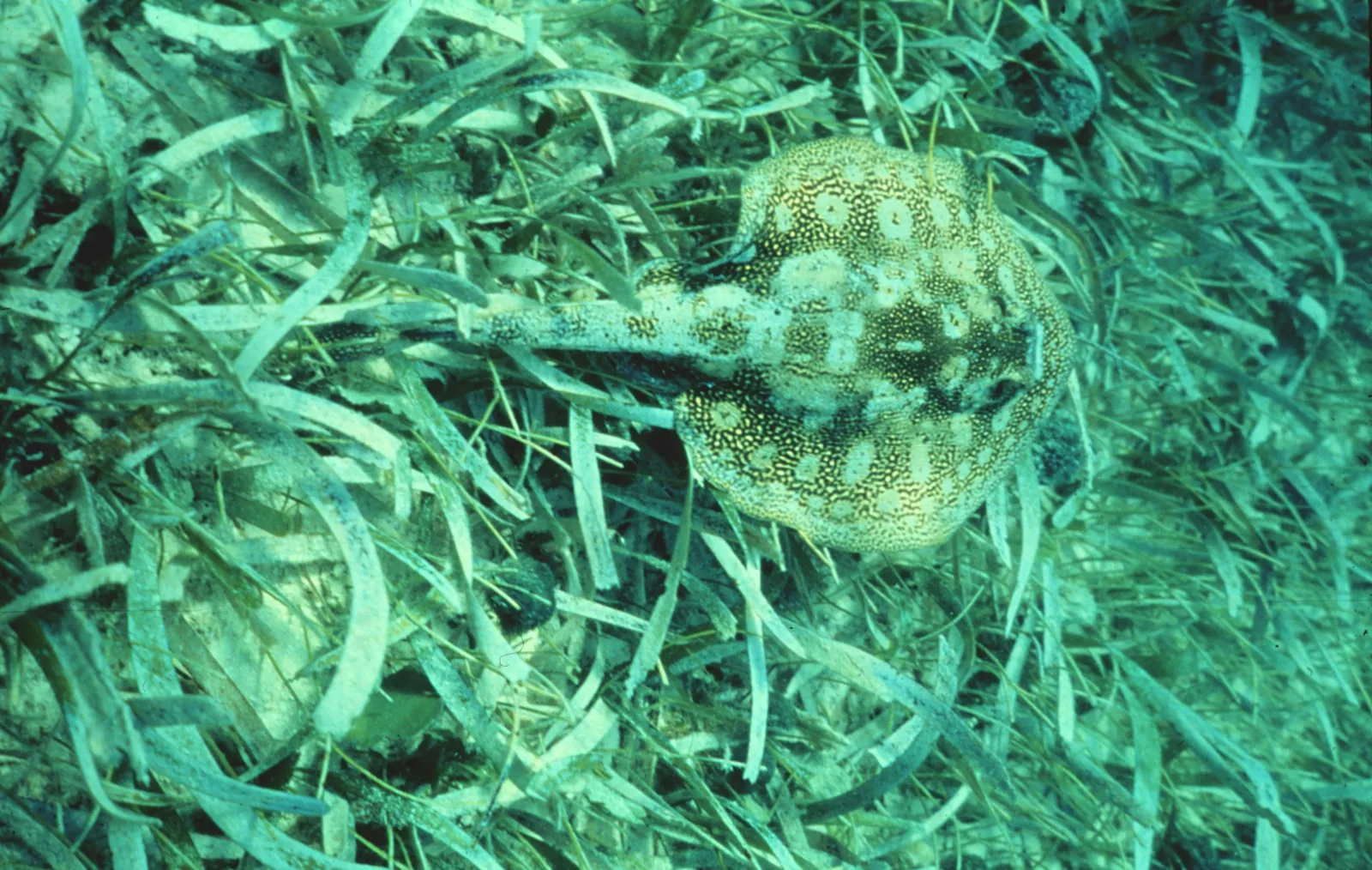
Wading the flats
Wading is the quietest way to fish the bay. No hull slap, no motor, no push pole. You move at the speed of the fish and see them before they see you. A lot of Tampa Bay's best inshore water is reachable from a park or a road shoulder in shoes.
FWC calls estuaries the cradle of the ocean and says more than 70% of Florida's important recreational and commercial species use them as nurseries. The flats are that nursery. Treat them that way.
What lives on the flats
FWC's Tampa Bay sport fish page describes where the main inshore fish hang out. It is a good starting map.
- Redfish: FWC says redfish use grass beds, oyster bars and dock pilings, and move to deeper channels in very hot or cold weather.
- Snook: FWC says snook use canals, tidal creeks, mangrove edges and passes through the seasons.
- Spotted seatrout: Seatrout and snook are among the species FWC manages through regional holistic management, because they depend on estuary habitat.
Our seasonal guide covers what these fish do through the year. Rules for each species change, so check FWC's current rules before you keep anything.
Reading the tide
On a flat, the tide is the whole game. A foot of water changes where fish feed, where you can walk and how far back to the truck it is when the water comes up.
Use NOAA's tide predictions
NOAA's tide predictions let you pick a station near where you plan to wade. Two long-running bay stations are St. Petersburg and Old Port Tampa. NOAA's Tampa Bay PORTS adds live water level, current and wind.
Plan your way back
Walk out on a falling tide and you may come back through deeper water than you left. Note the time of the next low and high before you step in. If water starts creeping past your knees, start walking back.
The stingray shuffle
Rays are common on Tampa Bay sand and grass. FWC's profiles for the southern stingray and Atlantic stingray both tell waders to do the stingray shuffle.
Slide your feet along the bottom instead of stepping. The vibration warns rays resting in the sand so they swim off. FWC says rays are not aggressive and use the tail spine only in defense. Stepping on one is how people get hurt.
If you get stung. Florida Health Finder says to get out of the water, control bleeding, soak the wound in water as hot as you can stand without scalding, and get medical care. Florida Poison Control can advise. Call 911 for a sting to the chest or belly, heavy bleeding or trouble breathing. This is general safety information, not medical advice.
Footwear and what to wear
The bottom is not soft everywhere. Oyster shell, broken glass, sharp grass stems and ray spines all cut bare feet. Wear closed wading shoes or boots that stay on in mud. Shuffling still matters in shoes.
Wading puts you in sun and reflected glare for hours. Long sleeves, a hood or hat and polarized glasses help you see fish and protect skin. Use sunscreen on what is still exposed. Our sun hoodie guide and sun shirt guide cover what to look for, and sun gear is ours.
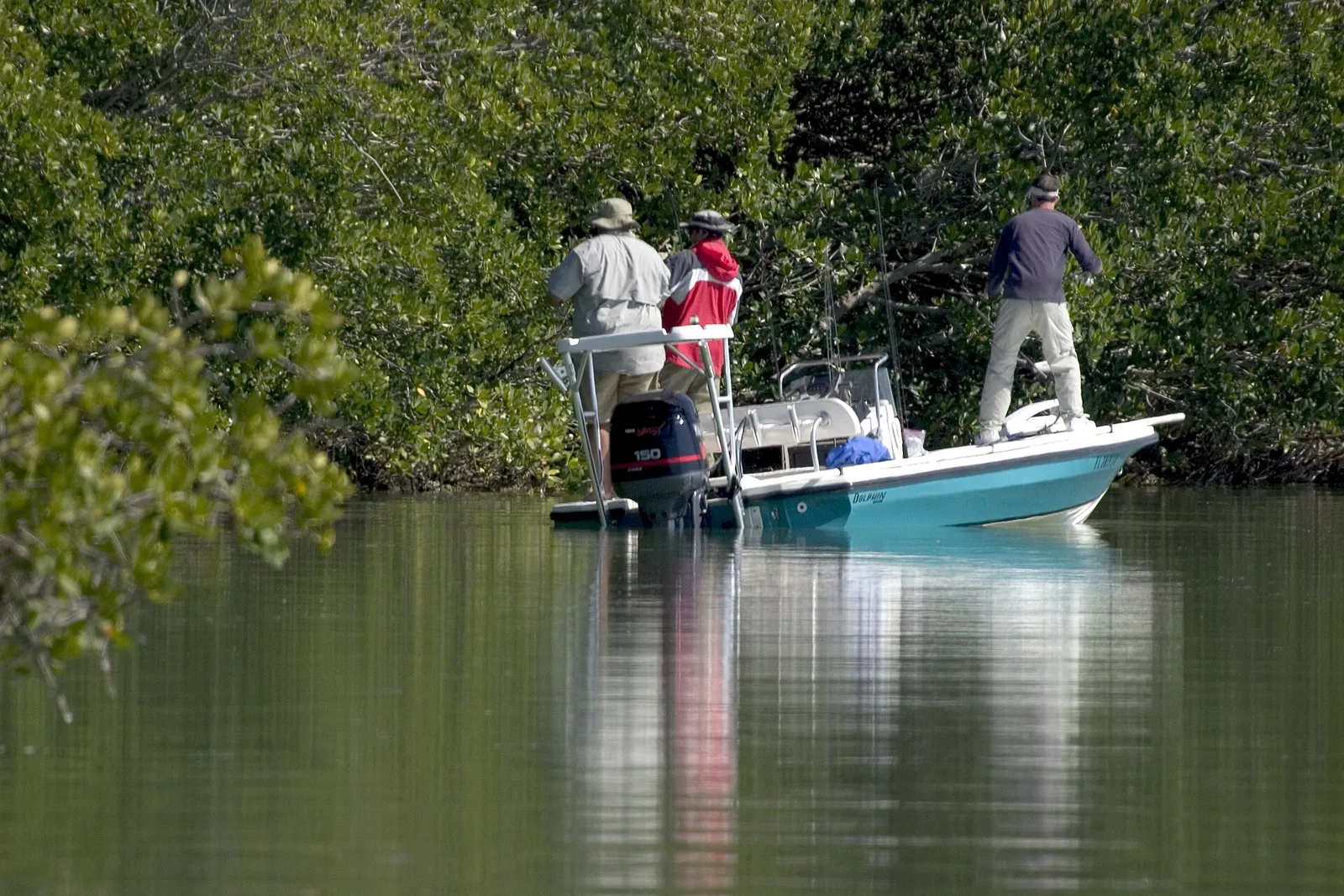
Protecting the grass
Seagrass is why the flats hold fish. UF/IFAS reported that scientists working with the Tampa Bay Estuary Program used AI mapping to find roughly 23,000 to 24,000 prop scars across Tampa Bay, many in lower Tampa Bay between the Skyway and Fort De Soto, at Cockroach Bay and north of Robinson Preserve.
If you run a boat to your wading spot, follow the Be Seagrass Safe advice: avoid shallow grass, trim up in skinny water and push off instead of powering through if you ground. The Tampa Bay Estuary Program treats prop scar reduction as an ongoing priority. On foot, walk lightly and set anchors and stake-out poles in sand.
Fishing the flat
Keep it simple. Move slowly, cast ahead of you, and stop often to look. A wade belt with a small box, pliers and a leader spool is plenty. A long-handled dehooker lets you release fish without lifting them.
Fish caught on flats in warm water need a quick release. Wet hands, short fights and fast photos. Our catch and release guide covers FWC and Bonefish and Tarpon Trust advice.
Licenses and regulations
Regulations change. Check FWC’s license guidance and current fishing rules before you fish.
What to wear
Long sleeves, sun hoods and Florida art, printed to order in UPF 50+.
Shop sun gearFAQ
These answers cover the choices and advice discussed above.