
Live bait basics for Tampa Bay
Shrimp, pinfish, whitebait and mullet: what each one is good for, how to catch bait with a cast net legally, and how to keep it alive all day.
Why live bait
Lures are fun. Live bait is honest. On a slow day around Tampa Bay, a lively shrimp or a kicking sardine will often get bit when nothing else does. The catch is that live bait is only good while it's alive, so most of this guide is about keeping it that way.
The Tampa Bay bait lineup
Every bait shop and charter around here leans on the same handful of baits. Local guides like Fishing Guide Tampa Bay name shrimp, pinfish and finger mullet as core baits for snook, redfish and trout.
Shrimp
Shrimp are the easy start. Most bait shops sell them live, almost every inshore fish eats them, and they fish well under a cork, on a jig head or on the bottom. They are also the most fragile bait in the well.
Whitebait and greenbacks
Florida Sportsman explains the difference between scaled sardines, often called whitebait, and threadfin herring, often called greenbacks. Sardines tend to stay near the bottom over deeper flats. Threadfins run near the surface. A threadfin has a long thin filament trailing from its dorsal fin.
Pinfish and mullet
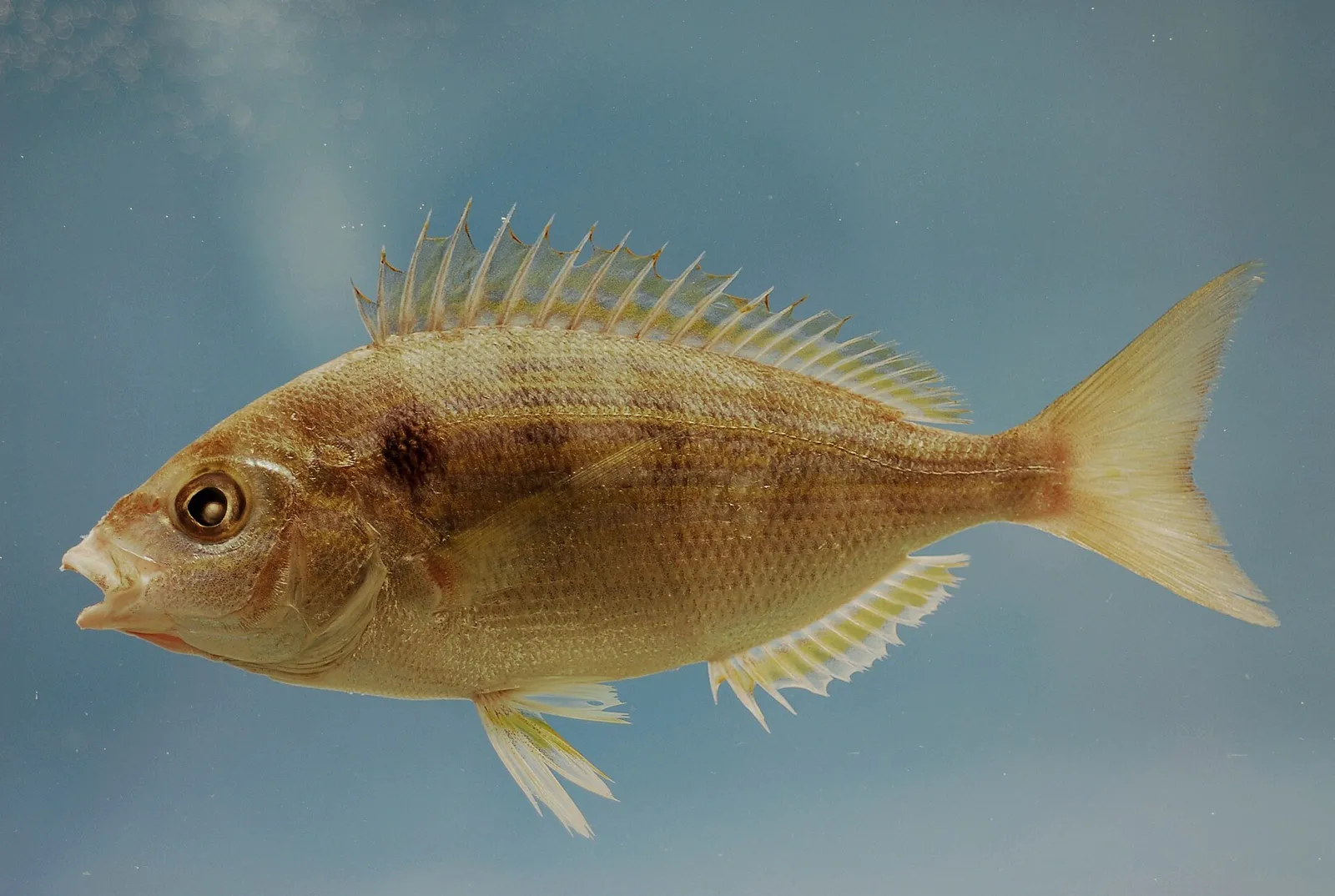
Pinfish are tough, easy to catch on small hooks or in traps and good bait for bigger fish. Finger mullet are a classic snook and redfish bait, especially in fall when mullet are moving.
Catching bait with a cast net
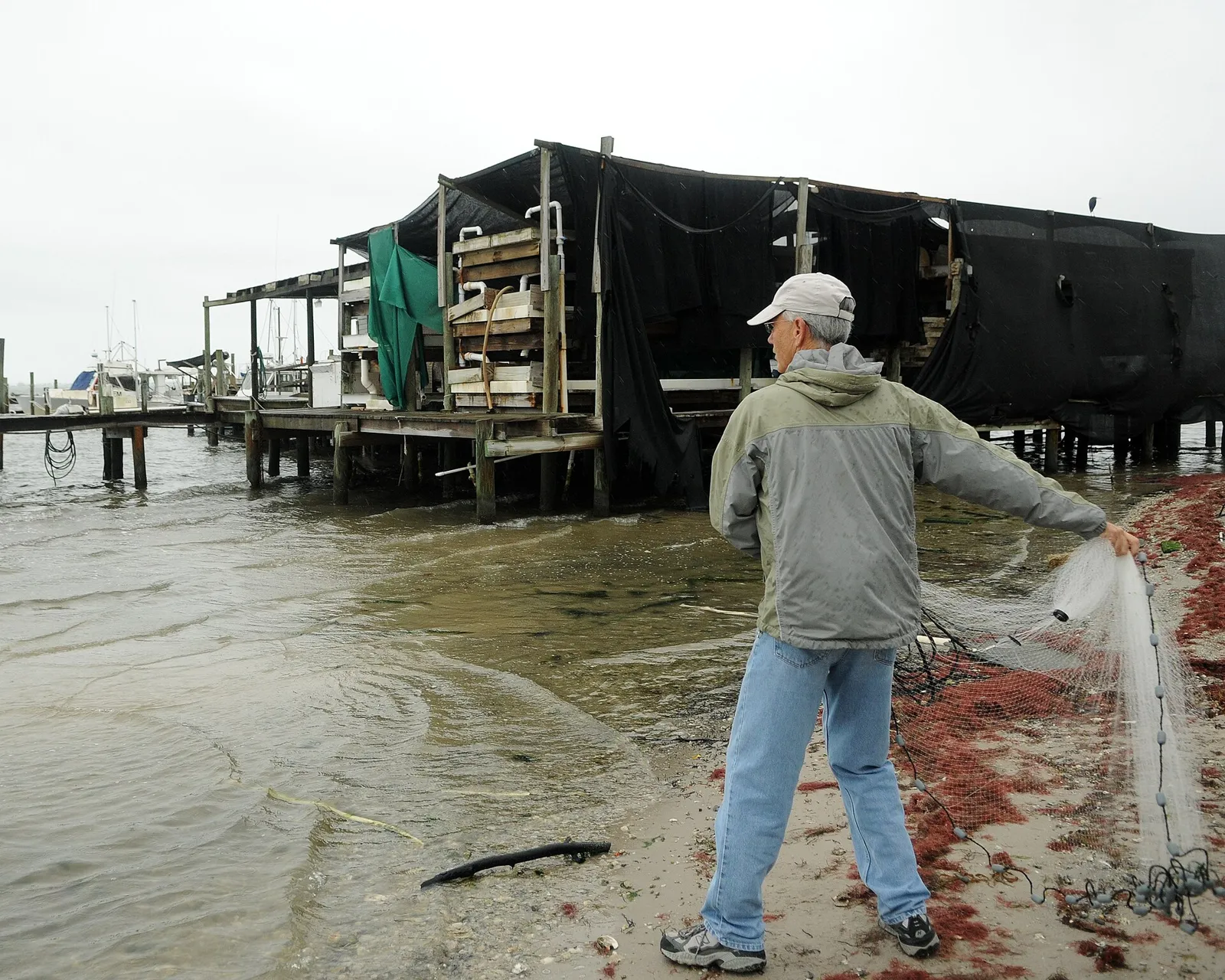
Throwing a cast net is the cheapest way to fill a bait well and a skill worth learning. It also comes with rules.
- License: FWC's license page explains that you need a saltwater fishing license to cast net bait for your own use. Selling bait takes a commercial license.
- Net rules: Florida's net rule treats hand-thrown cast nets differently from other nets and sets size limits on them. Freshwater cast nets have their own bait rules.
- Shrimp: FWC's recreational shrimping page explains license needs and regional limits, which change.
Check before you throw. Net size, mesh, closed areas and bait species rules can change. Read FWC's current saltwater rules before you buy or throw a net.
Keeping bait alive
Bait dies from three things: low oxygen, sudden changes and dirty water. Fix those and it lives all day.
Oxygen
Florida's commercial rule for live bait shrimp requires continuously aerated salt water in a watertight tank. That is a good model for anyone. Run an aerator or air stone the whole time bait is in the bucket or well. FWC's livewell best practices say non-recirculating livewells should run steady aeration.
Temperature and salinity
LSU Sea Grant says big or fast swings in temperature or salinity stress bait, and calls changes over about 5°F or 10 parts per thousand stressful. Fill and refresh with water from where you're fishing, keep the bucket in the shade and don't top it off with tap water. FWC also says to keep livewell water close to the source water and avoid filling near marinas or muddy water.
Clean water
LSU Sea Grant says dead shrimp release ammonia and foul the water as they turn pink. Pull dead bait as soon as you see it. Don't overcrowd. LSU's live bait handbook explains how loading too many baits into too little water runs the oxygen down.
Chumming
Chumming means putting fish, fish parts or similar products in the water to attract fish. FWC's fish feeding page says chumming is not allowed when fishing from a beach or wading in water right next to a beach. It is allowed elsewhere, like from piers and boats.
A few handfuls of crushed sardines behind a boat can turn on a whole flat. Use it sparingly, and stop if birds start crowding you. Our wildlife guide explains why.
Hooking and releasing bait-caught fish
Fish swallow live bait deeper than lures. Use circle hooks, set them by reeling tight instead of jerking, and carry a dehooker. FWC's fish handling page covers the basics, and our catch and release guide goes further.
Bait days are long, bright days on the water. A long-sleeve sun shirt keeps you covered while you sit on a spot, and our packing guide covers the rest.
Licenses and regulations
Regulations change. Check FWC’s license guidance and current fishing rules before you fish.
What to wear
Long sleeves, sun hoods and Florida art, printed to order in UPF 50+.
Shop sun gearFAQ
These answers cover the choices and advice discussed above.