
Red tide and water conditions
What red tide is, how it affects breathing and fishing, whether your catch is safe to eat, and the official places to check conditions before you go.
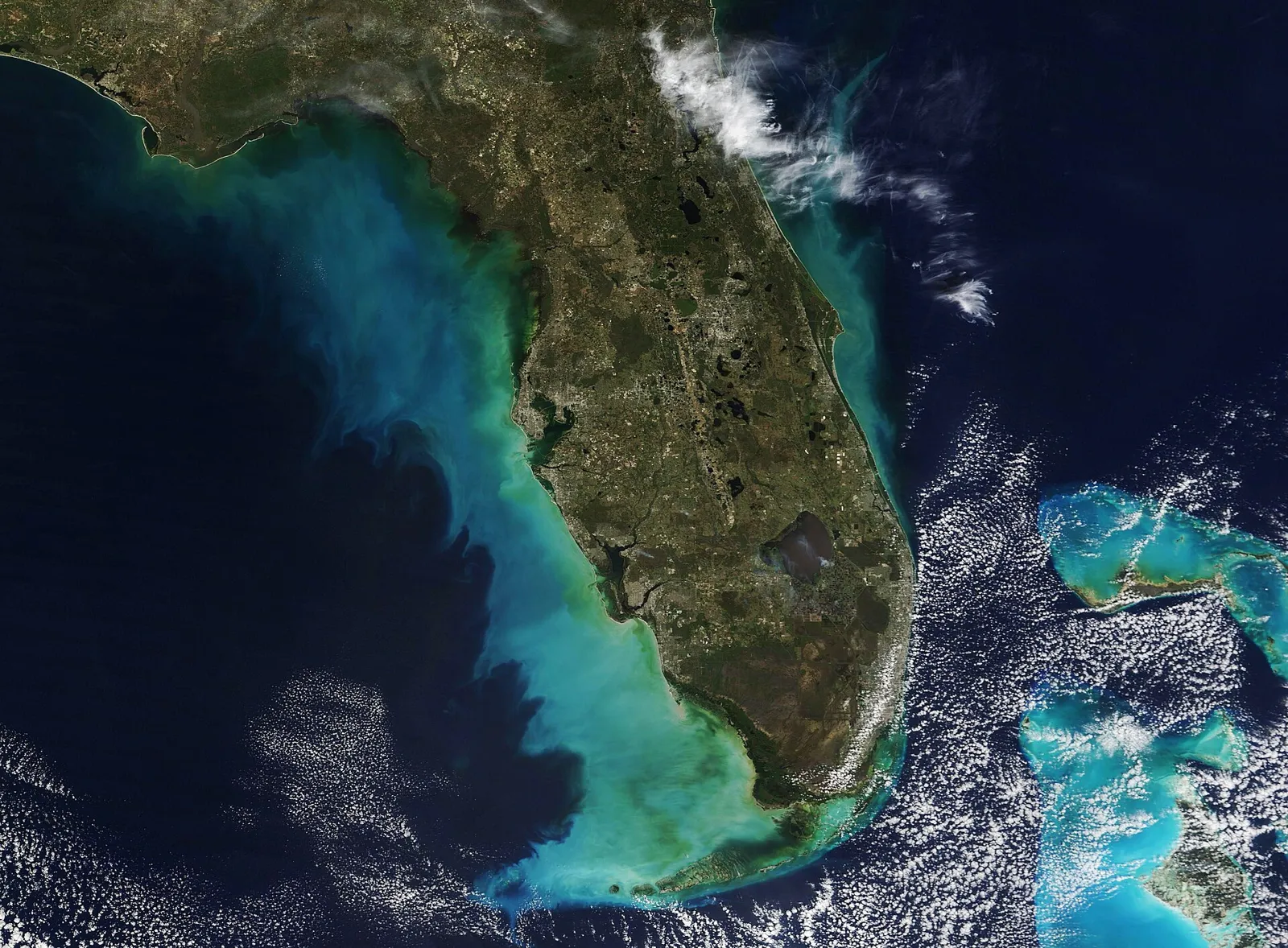
What red tide is
Florida red tide is mostly caused by one tiny organism, Karenia brevis. FWC's red tide FAQ explains that it makes toxins called brevetoxins, and that a bloom can turn water red, brown or green, or cause no color change at all. You cannot always tell by looking.
It is not new. FWC says red tides have been documented off Florida's Gulf coast since the 1840s, with fish kills near Tampa Bay noted even in Spanish explorers' records.
When and where it happens
FWC says red tides most often form in late summer or early fall and can last through winter into spring. Protecting Florida Together, the state's water quality site, says blooms usually start 10 to 40 miles offshore and can last from days to more than a year.
The same source says Karenia brevis does not handle low salinity well and rarely moves far up into estuaries. That is one reason bay and river spots can fish fine while a beach nearby is rough. It is a pattern, not a promise. Check the reports.
Red tide effects
The biggest effect for most anglers is breathing. The Florida Department of Health says wind and waves can break open the cells and put toxins in the air, causing coughing, sneezing and teary eyes that are usually temporary. People with chronic breathing problems like severe asthma should be more careful.
Skin and swimming
The FDOH red tide FAQ says most people can swim during red tide, but it can irritate skin and burn eyes. Rinse off with fresh water afterward and stay away from dead fish. A long-sleeve sun shirt keeps some spray off your arms, and a fresh water rinse helps the shirt too.
Stay out of dead fish. FDOH advises against swimming near dead fish and against harvesting or eating dead or distressed fish or shellfish in red tide areas.
Is my catch safe to eat?
This is the question we hear most. Here is the official guidance, in plain terms. Follow it exactly.
- Healthy fish, caught alive: An FDOH advisory says finfish caught alive and healthy are considered safe to eat once filleted, with the guts thrown away, and the fillets rinsed in tap or bottled water.
- Dead or distressed fish: Do not eat them, and do not eat fish you did not catch yourself from an affected area.
- Shellfish: Do not eat shellfish from a red tide area. FWC points to the state's seafood safety resources and shellfish harvest status.
Where to check before you go
Use more than one source. Some update daily, some come from people standing on the beach.
- FWC red tide status: The statewide status page has county reports and a sampling map FWC says it updates daily.
- NOAA forecast: NOAA's Gulf Coast harmful algal bloom forecast predicts breathing irritation and bloom changes along Florida's Gulf coast.
- NOAA HABSOS: The HABSOS map shows cell count data.
- Beach reports: Mote Marine's Beach Conditions Reporting System shares reports from trained volunteers on dead fish, breathing irritation and water color, as often as twice a day.
- Bacteria at beaches: The Florida Healthy Beaches program tests for bacteria, not red tide. FDOH explains the ratings.
Report a fish kill. FWC collects fish kill reports through its red tide status pages. Mote's red tide FAQ also explains how to report one.
Fishing when there's a bloom
A bloom on the beaches does not have to cancel the trip. It may just change where you go. Consider moving up into the bay or a river, where FWC and the state say blooms rarely reach far. Our Alafia River guide is a good start.
Watch the wind. Onshore wind pushes airborne toxins toward the beach and piers. If you start coughing, move. Leave the fish alone that look sick, and skip the cooler. Most of all, check the reports the morning of, not the night before.
Licenses and regulations
Regulations change. Check FWC’s license guidance and current fishing rules before you fish.
What to wear
Long sleeves, sun hoods and Florida art, printed to order in UPF 50+.
Shop sun gearFAQ
These answers cover the choices and advice discussed above.