
How do scientists tell how old a fish is?
Fish carry their age in their ears. How otoliths record each year like tree rings, how labs read them, and why some fish turn out to be older than the people catching them.
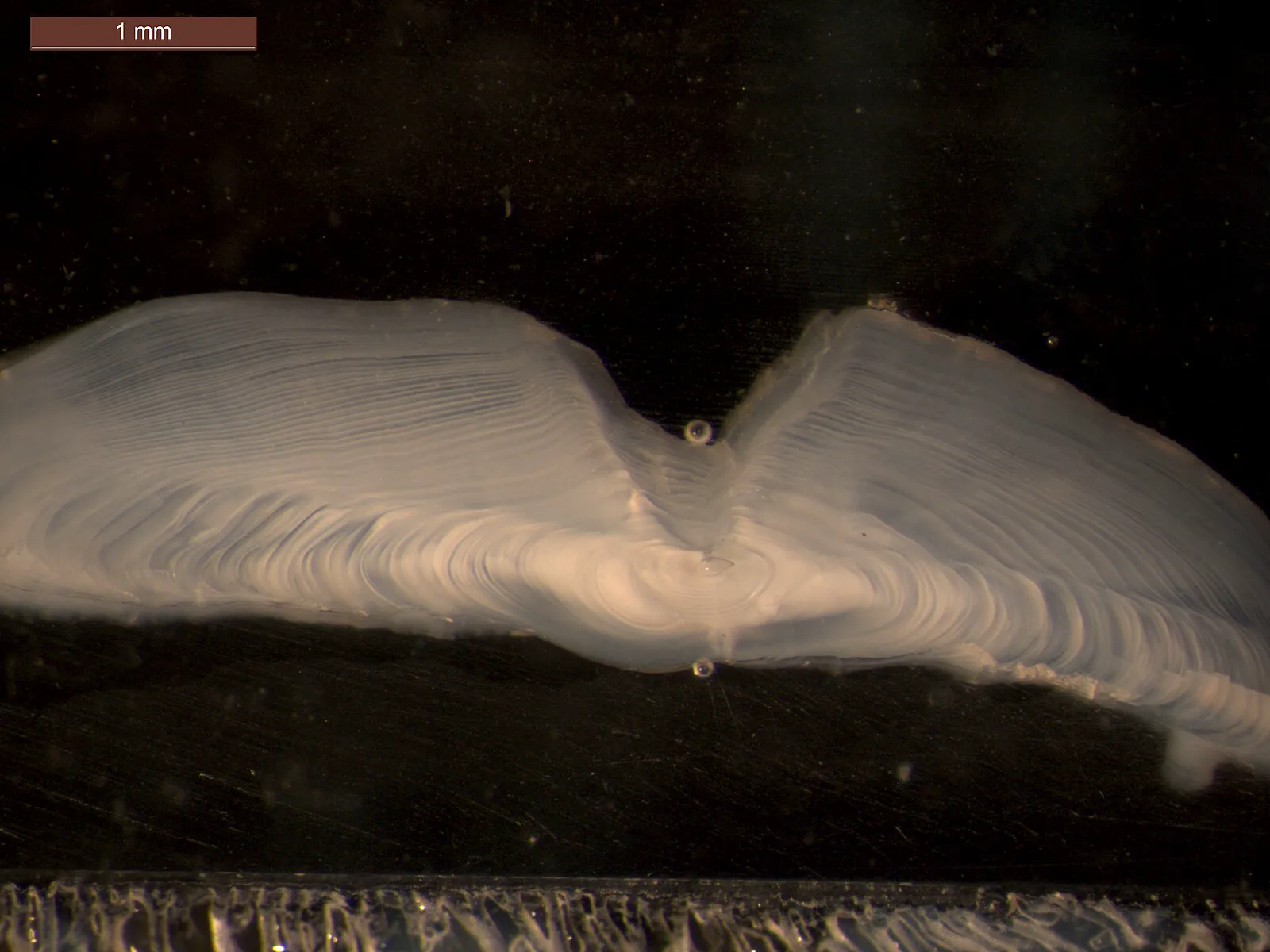
A fish's age is in its ears
Most fish carry a record of their lives inside their heads. North Carolina Sea Grant explains that otoliths, sometimes called ear stones, are small structures made of calcium carbonate that sit just behind the brain. NOAA Fisheries says fish use them to sense sound and keep their balance.
As a fish grows, its otoliths grow too, adding layers that work a lot like the rings of a tree. Count the yearly rings and you have the fish's age.
Why a fish's size won't tell you
It's tempting to guess that a bigger fish is an older one, but NOAA Fisheries says size alone is not a good way to tell a fish's age. How fast a fish grows depends on things like how much food it finds, so two fish of the same length can be years apart in age. That's part of why the giants surprise people. A long, heavy fish might be young and well fed, or it might be decades old.
How a lab reads an otolith
First the otolith has to come out of the fish, so the work is done on fish that were kept or collected for study. NC Sea Grant says the otolith is then cut into a thin section and viewed under a microscope, where the rings show up as bands. NOAA Fisheries lists a few ways labs prepare them, including breaking or cutting them, toasting them, and slicing them thin.
- The scale of it: NOAA Fisheries' Alaska lab ages close to 40,000 fish a year, from about two dozen species
- Shapes vary: NC Sea Grant notes that red drum have huge, stone-like otoliths, while billfish have small, delicate ones
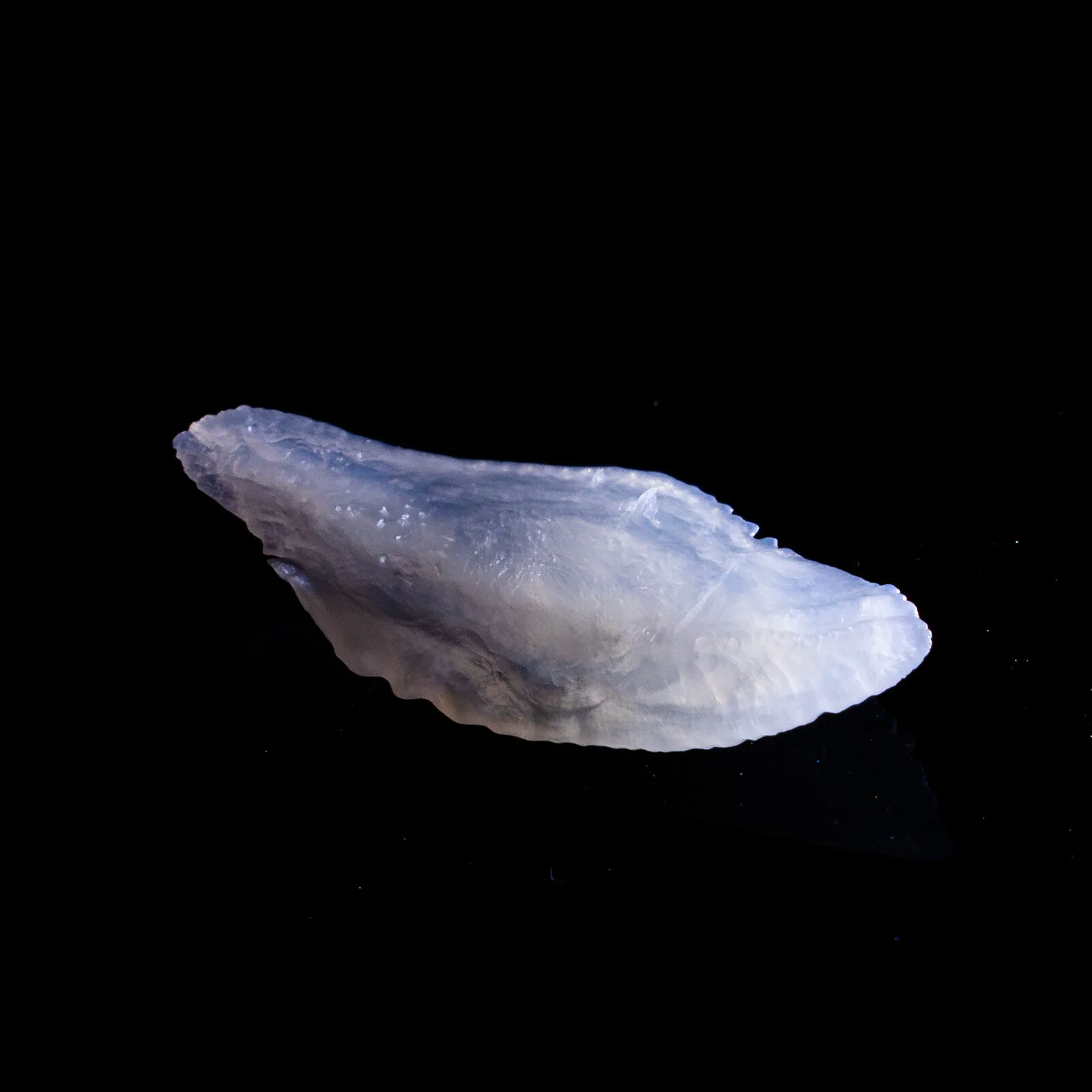
Some fish are older than you'd think
Otoliths have turned up some remarkable ages:
- Red snapper: Up to about 50 years, according to NC Sea Grant
- Snowy grouper: Close to 70 years, according to NC Sea Grant
- Walleye pollock: About 14 years, according to NOAA Fisheries
- Shortraker rockfish: More than 100 years, according to NOAA Fisheries, and about 30 years old before they first spawn
That last one is worth thinking about. A shortraker caught today could be older than anyone on the boat, and it spent its first three decades growing up before it ever spawned. Fish that live that long and start that late can't bounce back quickly from heavy fishing.
Why it matters to anglers
Age data feed straight into the rules you fish under. NC Sea Grant says scientists use otolith ages in stock assessments, the studies that decide seasons, size limits and bag limits. Counting the ages of many fish shows how fast a species grows, how long it lives, and which years produced a big crop of young fish that will move through the fishery later.
That's how a fishery like Lake Erie's walleye can point to one strong year class and expect good fishing for years after. The goliath grouper guide covers a slow-growing fish that took three decades to rebuild.
Faster ways are coming
Counting rings by eye is slow, skilled work. NOAA Fisheries has been testing a method that scans otoliths with near-infrared light and uses machine learning to estimate ages, which could help labs keep up with the tens of thousands of fish they sample.
Before you go
Some state agencies collect fish carcasses from anglers to get otoliths. If your state has a program like that, it's an easy way to help. And for long days on the water, a long-sleeve UPF shirt or hoodie from our sun gear keeps the sun off.
More from Alafia Cast Co
Licenses and regulations
The science here comes from these pages from North Carolina Sea Grant and NOAA Fisheries.
NC Sea Grant: How can you tell how old fish are? · NC Sea Grant: How old is that fish, and why does it matter? · NOAA Fisheries age and growth
FWC’s current saltwater and freshwater fishing rules. Regulations change.