
Can you keep a goliath grouper in Florida?
Goliath grouper grow to 800 pounds, and Florida now allows a tiny, permit-only harvest. How the lottery works, the slot size, the closed areas, and how to release a big one.
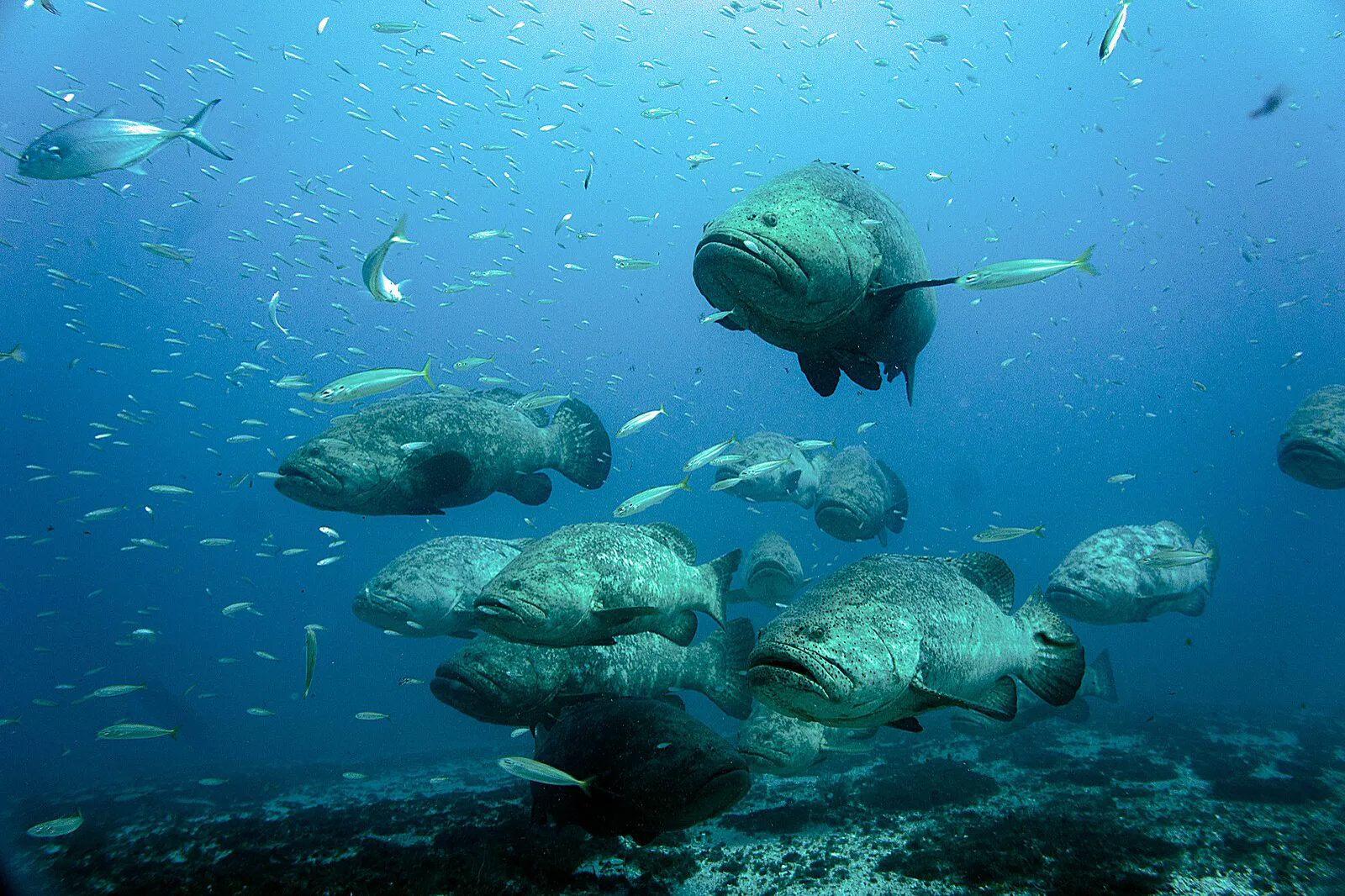
The biggest grouper in the Atlantic
The goliath grouper is the largest grouper in the western Atlantic. FWC says it can reach 8 feet and 800 pounds, and the Florida record is a 680-pounder caught near Fernandina Beach in 1961. FWC puts the oldest known goliath at 37 years, and the Florida Museum says they may live to 50.
They're loud, too. The Florida Museum says goliaths make a deep rumbling sound with muscles around the swim bladder. The museum also notes that large goliaths have been known to stalk divers, so give them room.
A comeback story
Florida closed goliath grouper harvest in 1990 to let the population recover. FWC says the population rebuilt over the next three decades, and in 2022 the commission approved a small, tightly controlled harvest that began in the spring of 2023. FWC also notes that goliaths are still vulnerable to cold snaps and red tide, which is part of why the harvest is so limited.
How the permit lottery works
- How many permits: 200 a year, drawn at random. No more than 50 go to Everglades National Park
- When to apply: October 1 to 15, through GoOutdoorsFlorida.com, with a 10-dollar application fee
- If you're drawn: The permit costs 150 dollars for Florida residents and 500 dollars for nonresidents, and you need a saltwater fishing license too
- What it allows: One goliath grouper per person per season, tagged and reported
Rules for a permitted fish
- Season: March 1 through May 31
- Size: 24 to 36 inches total length. Anything bigger or smaller goes back
- Gear: Hook and line only, with a non-offset, non-stainless steel circle hook and natural bait. A dehooking device is required
- Tag and report: Put the tag through the lower jaw right away and report the harvest within 24 hours
- Closed areas: No harvest in state waters from Martin County south, including the St. Lucie River, through the Atlantic side of the Keys, in Dry Tortugas National Park, or in any federal waters
Keep big goliaths in the water. FWC says not to remove large goliath groupers from the water. Their skeletons can't support their weight out of it. FWC asks anglers to keep smaller ones in the water too when they're releasing them.
Where they live
Young goliaths grow up in mangroves and estuaries, where FWC says they can spend five or six years. The Ten Thousand Islands in Southwest Florida are one of the main nurseries. Adults are solitary and territorial, and they hang around ledges, wrecks, bridges and piers. FWC says they mature at five or six years old, at about 36 inches.
Calico crabs make up most of their diet, according to FWC. Add their habit of living around structure, and that's why anglers fishing around bridge pilings and deep docks sometimes hook one by surprise.
The summer spawning gatherings
From July through September, goliaths gather in groups of 100 or more at wrecks, ledges and patch reefs to spawn. FWC says some travel as far as 62 miles to reach those sites. In Southwest Florida, courtship has been seen around the full moons of August and September.
Hooked one by accident?
Without a permit, every goliath goes back. Keep the fish in the water, use a dehooking tool or cut the line close to the hook, and let it swim off. If you're fishing deep and a goliath comes up with signs of barotrauma, our descending device guide explains how to get a fish back down.
Before you go
Bridge and wreck fishing means long, bright days on the water. A long-sleeve UPF shirt or hoodie from our sun gear keeps the sun off while you wait for the rod to load up.
More from Alafia Cast Co
Licenses and regulations
The rules and biology here come from these pages. FWC rules change, so check them before you fish.
FWC goliath grouper regulations · FWC goliath grouper profile · FWC news on goliath grouper permits · FWC news on the goliath harvest · Florida Museum goliath grouper profile
FWC’s current saltwater and freshwater fishing rules. Regulations change.